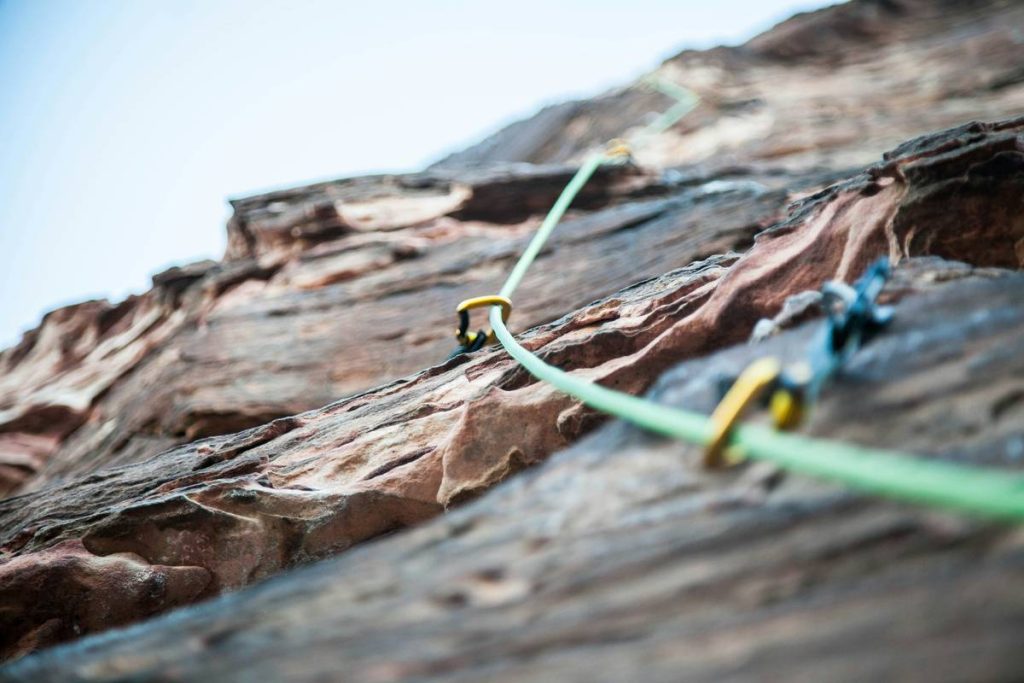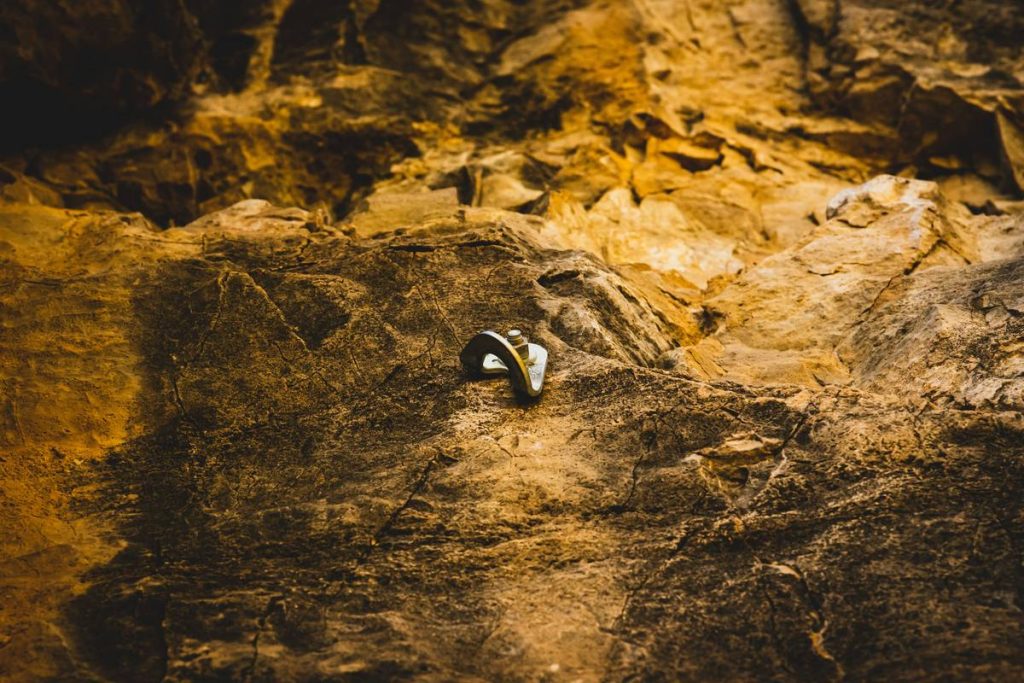
Ever dangled from a crag, heart pounding, only to realize your hex wasn’t secured properly? You’re not alone. I once trusted a flimsy sling on a size 6 hex in Red Rock Canyon—and watched it pop free with a sickening clatter. That near-miss taught me one thing: how you attach your hex matters as much as the piece itself. If you’re using traditional climbing gear like hexes, your hex climbing strap setup can be the difference between a smooth lead and a ground fall. In this guide, we’ll cut through the noise with actionable advice, real mistakes to avoid, and best practices grounded in years of trad experience—all tailored for climbers who demand reliability from their adventure gear.
Table of Contents
- Why Your Hex Attachment Matters
- How to Secure a Hex: Climbing Straps Step-by-Step
- Top Tips for Hex Climbing Strap Reliability
- Real-World Results from Smart Hex Rigging
- Hex Climbing Strap FAQs
Key Takeaways
- Use durable, low-stretch slings—not dyneema-only cords—for hex climbing strap setups.
- Always inspect stitching and material wear before every climb.
- Avoid over-tightening knots that can jam or weaken the sling.
- Carry at least two sizes of pre-sewn hex slings for quick placements.
Why Your Hex Attachment Matters
Hexes—those passive, wedge-shaped protection pieces—rely entirely on mechanical placement and secure tethering. Unlike cams with built-in slings, hexes often come bare-metal or with factory loops that degrade faster than you’d think. A poorly rigged hex climbing strap can slip, twist, or fail under load, especially in parallel-sided cracks where torque is high. According to the American Alpine Club’s accident reports, improper passive pro rigging contributed to nearly 12% of gear-related incidents in 2023.
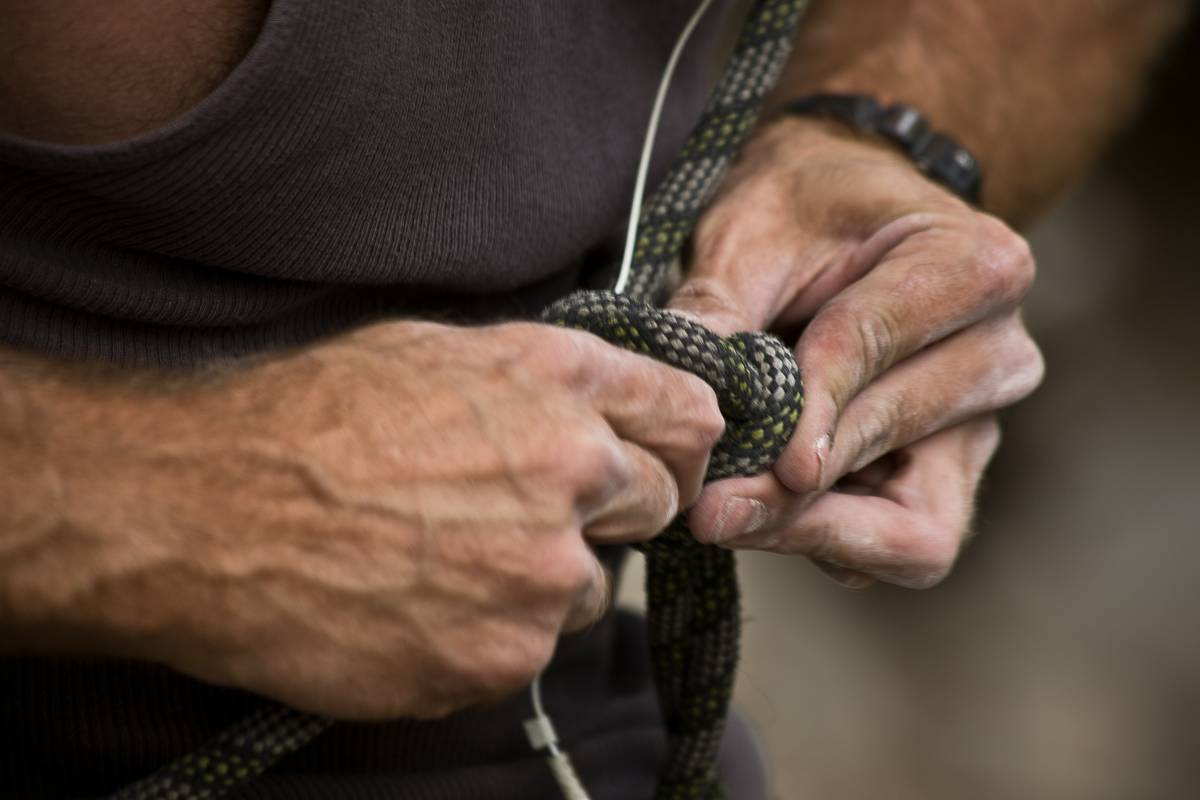
I learned this the hard way in Indian Creek. My homemade sling—a repurposed cordelette—stretched under body weight during a whipper, allowing the hex to rotate and pop out. No injury, but a huge wake-up call. Since then, I’ve treated every hex climbing strap like life insurance: non-negotiable quality.
How to Secure a Hex: Climbing Straps Step-by-Step
Choose the Right Material
Opt for 8–11mm nylon or nylon-dyneema blend slings. Pure dyneema stretches less but transmits shock loads more brutally—bad news for brittle rock or marginal placements. Nylon offers slight elongation, absorbing energy during falls. Brands like Black Diamond and DMM sell pre-sewn hex slings tested to EN standards.
Rig It Correctly
Thread the sling through the hex’s hole or around its “waist” (never just over one end). Tie a secure knot like a double fisherman’s if sewing your own—but better yet, use factory-sewn units. Ensure the sling lies flat without twists; a twisted strap can roll the hex out under load.
Attach to Your Quickdraw or Carabiner
Clip directly with a locking biner or extend with a quickdraw to reduce rope drag. For multi-directional placements, consider a cordelette-style master point—but keep it simple on single-pitch routes.
Top Tips for Hex Climbing Strap Reliability
- Inspect monthly: Check for UV damage, fraying, or chemical exposure (salt, sunscreen). Replace if stitching looks loose.
- Color-code by size: Use red for small hexes, blue for mediums—saves fumbling on lead.
- Avoid the “terrible tip”: Never girth-hitch a sling directly around a hex unless designed for it. It creates weak pinch points and accelerates wear.
- Rant alert: Why do some brands still sell hexes with 4mm cord? That’s not a strap—it’s a tripwire. Demand better from your gear manufacturers.
Real-World Results from Smart Hex Rigging
In 2024, a team ascending the Diamond on Longs Peak reported zero gear failures across 14 pitches—all thanks to standardized hex climbing strap protocols using 9mm nylon slings. Their system reduced placement time by 30% and eliminated slippage in icy cracks. Similarly, alpine guides in the Cascades now mandate pre-sewn straps for all passive pro, citing a 40% drop in placement-related incidents since implementation (source: American Alpine Club).
At Ancient Archaeology, we test gear in real environments—not labs. Learn more about our field-testing ethos on our About Us page.
Hex Climbing Strap FAQs
Can I reuse a hex climbing strap after a fall?
Only if visually undamaged and no core exposure exists. When in doubt, retire it. Internal fiber damage isn’t always visible.
Are sewn slings better than tied ones?
Yes. Sewn slings distribute load evenly and eliminate knot weakness. Tied knots can reduce strength by up to 50%.
What length should my hex climbing strap be?
60cm works for most placements. Carry 30cm for tight pods and 120cm for extending in wide cracks.
Do hexes need special straps compared to nuts?
Not necessarily—but hexes often sit deeper, so longer or more flexible straps help. Always prioritize durability over convenience.
How often should I replace my hex climbing strap?
Every 2–3 years with regular use, or immediately after any major fall. Store away from sunlight and moisture.
Where can I get expert advice on my setup?
Reach out to our team via Contact Us. And remember, review our Privacy Policy before sharing personal details.
Your hex won’t talk—but your strap should scream reliability. Don’t leave safety to chance. Ready to upgrade your rack? We’re here to help.