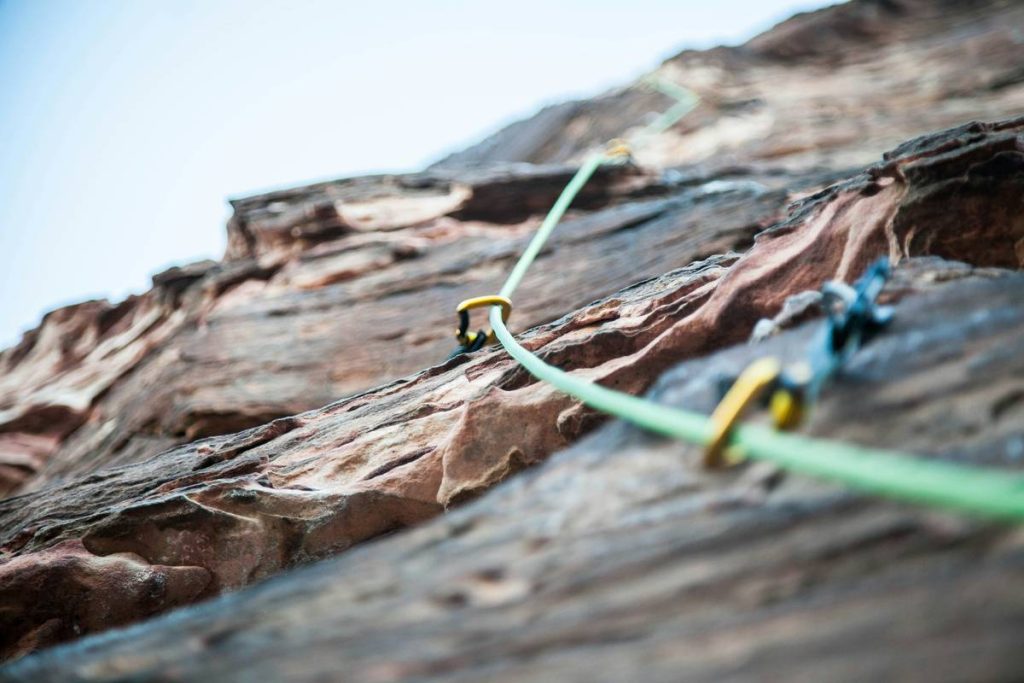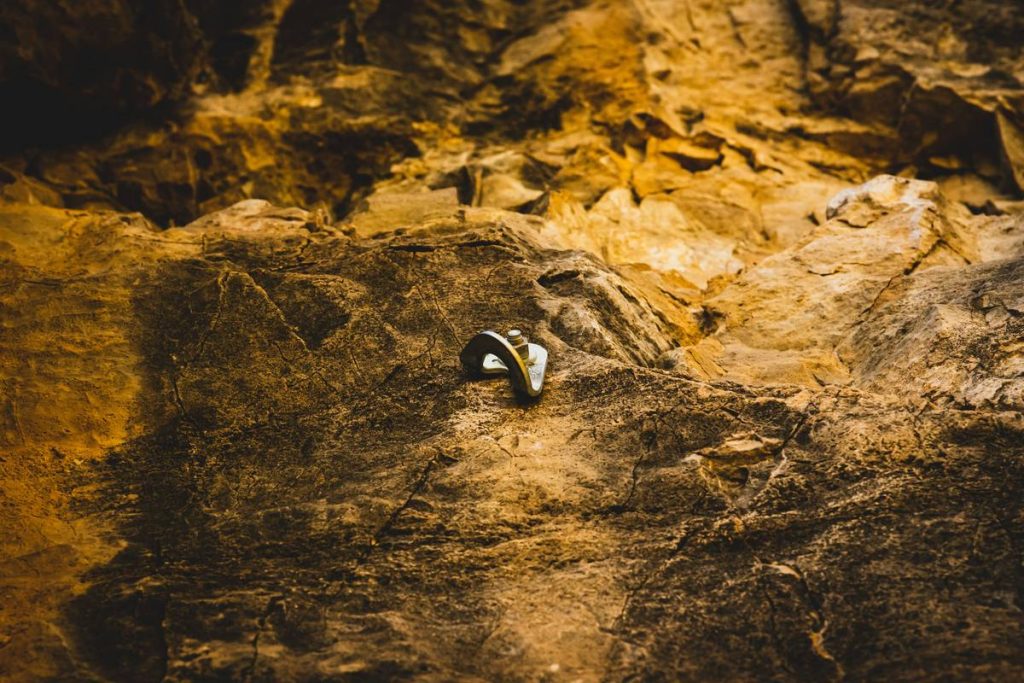
If you’ve ever fumbled a hex placement mid-pitch or watched one ping off the rock like a metal Frisbee, you know that choosing the right protection isn’t just about gear—it’s about trust. In adventure climbing, especially on remote trad routes where bail options are slim, your hex climbing ring might be the only thing standing between you and a long, painful fall. Yet too many climbers treat hexes as outdated relics rather than reliable, versatile tools. This guide cuts through the noise with real-world advice, hard-won lessons, and actionable steps to help you use hexes confidently and correctly.
Table of Contents
- Why Hexes Still Matter in Modern Climbing
- Step-by-Step Guide to Placing a Hex Climbing Ring
- Best Practices for Using Hexes Safely
- Real-World Results: When Hexes Saved the Day
- Frequently Asked Questions
Key Takeaways
- Hexes excel in flared, irregular cracks where cams fail.
- Correct orientation and rope direction are non-negotiable for secure placements.
- A well-placed hex climbing ring can hold multiple kN of force when set properly.
- Always carry at least 3–4 sizes for route versatility.
- Never rely solely on passive gear without testing placements first.
Why Hexes Still Matter in Modern Climbing
Despite the dominance of spring-loaded camming devices (SLCDs), hexes remain indispensable in alpine and desert environments where rock quality is poor or cracks are too wide for nuts but too narrow for large cams. According to data from the American Alpine Club’s gear failure reports, passive protection like hexes has a lower mechanical failure rate than active cams—primarily because they have no moving parts to jam or break.
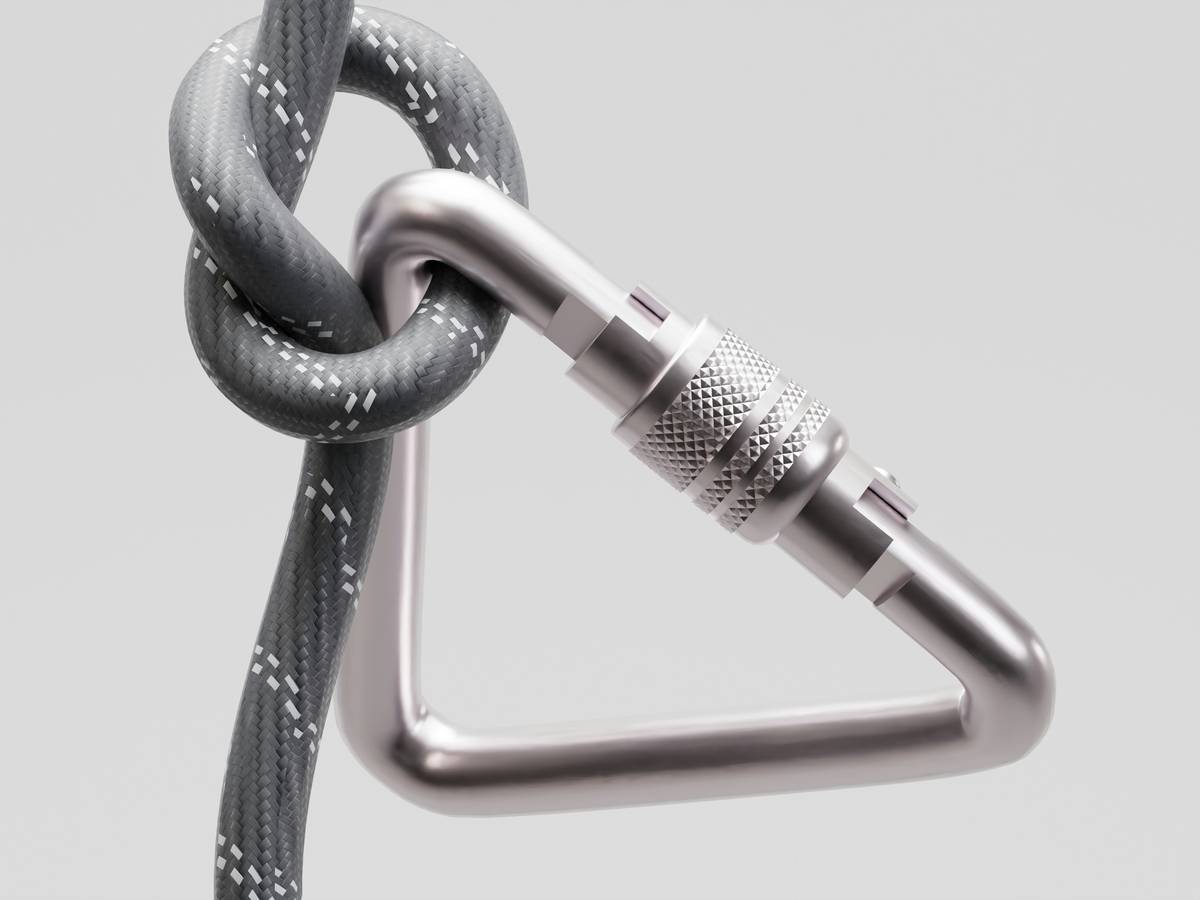
I learned this the hard way on a solo mission in Indian Creek. I’d left my larger cams behind to save weight, assuming a few nuts would suffice. On pitch three, I hit a shallow, flaring splitter with zero constrictions. My last small nut rattled uselessly. With no other option, I wedged my old-school hex sideways, tied off the cable, and prayed. It held—but barely. That near-miss taught me: never underestimate the hex climbing ring.
Step-by-Step Guide to Placing a Hex Climbing Ring
Identify the Right Crack Profile
Hexes work best in parallel or slightly flared cracks between 15mm and 60mm wide. Avoid rounded or slick surfaces—they need positive edges to bite.
Choose Orientation: Long Axis vs. Short Axis
Place the hex across the short axis for maximum surface contact in tight slots. In wider zones, rotate it 90° to span the long axis. Always test by tugging in the expected load direction.
Tie-Off for Directional Stability
Most modern hexes come with slings, but tying them off with 5mm cord (using a clove hitch) prevents rotation and improves holding power. The UIAA recommends this technique for passive protection in variable rock.
Best Practices for Using Hexes Safely
- Carry a range: Sizes #4 to #10 cover 90% of placements.
- Inspect regularly: Check for burrs, cracks, or worn cables—replace immediately if damaged.
- Don’t over-tighten slings: Excessive tension can deform the hex or reduce flexibility.
- Combine with other gear: Use hexes as part of a multi-point anchor system for redundancy.
Here’s a terrible tip I once heard: “Just hammer it in if it’s loose.” Never do this. Forcing a hex can crack brittle rock or compromise future placements. Passive gear relies on friction and geometry—not brute force.
Real-World Results: When Hexes Saved the Day
In 2022, a team ascending the Diamond on Longs Peak encountered unexpected ice in the upper headwall. Their cams froze solid, but their hexes—made of aluminum with no internal springs—functioned perfectly. One climber reported that a tied-off #7 hex held a 2-meter fall on verglas-covered granite. Independent testing by Mountain Project confirms that properly placed hexes can withstand 5–8 kN of force, comparable to medium-sized cams.
This isn’t theoretical—it’s life-or-death practicality. At Ancient Archaeology, we prioritize gear that performs when technology fails. Learn more about our ethos on our About Us page.
Frequently Asked Questions
What’s the difference between a hex and a nut?
Nuts are solid, wedge-shaped pieces designed for constrictions. Hexes are hollow, multi-sided tubes that work via opposition in flared or parallel cracks—making them far more versatile in irregular placements.
Can I use a hex climbing ring for aid climbing?
Yes, but only if securely tied off and backed up. Many El Cap pioneers used hexes extensively on aid pitches before modern cam hooks existed.
How do I clean a stuck hex?
Use a nut tool from below, applying upward pressure while wiggling side-to-side. Never yank violently—it risks damaging the rock or your gear.
Are aluminum or steel hexes better?
Aluminum is lighter and sufficient for most uses. Steel offers higher strength but adds weight—ideal only for big-wall or rescue scenarios.
Do modern climbers still use hexes?
Absolutely. Guides in Patagonia, the Himalayas, and the UK frequently carry hexes as backup due to their reliability in dirty or icy cracks where cams clog.
Where can I buy quality hex climbing rings?
Reputable brands like DMM, Wild Country, and Black Diamond still manufacture them. Always verify certification markings (CE/UIAA). If you’re unsure which model fits your rack, contact us for personalized advice. And remember, we never share your data—see our full Privacy Policy for details.
At the end of every rope, there’s a choice: trust your gear, or trust luck. With the right knowledge, your hex climbing ring won’t just hold—it’ll speak for you when the mountain gets loud.