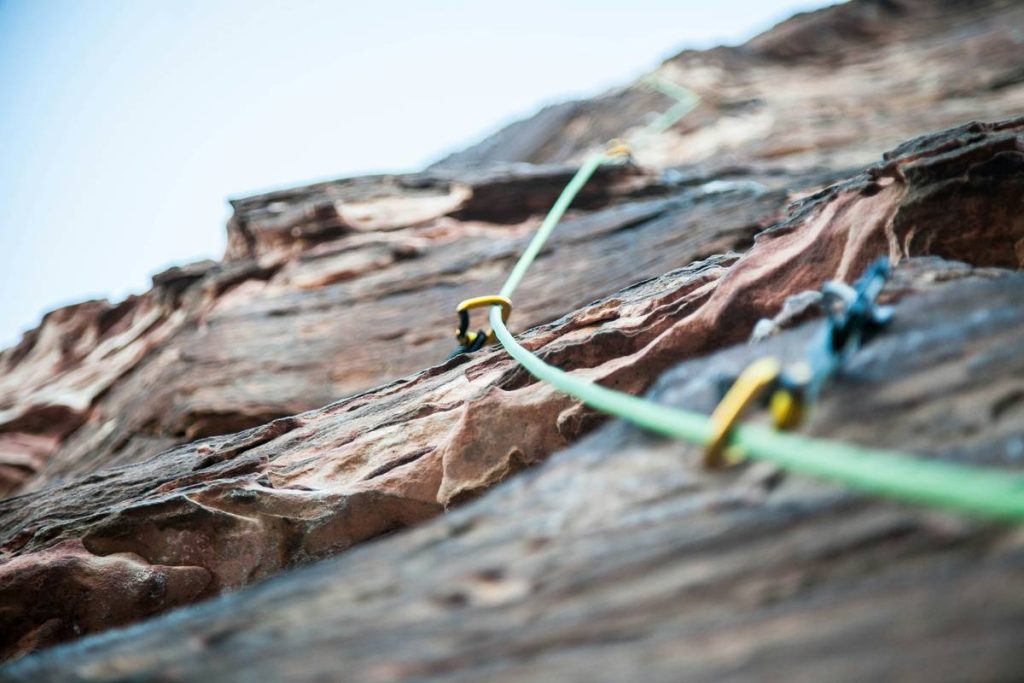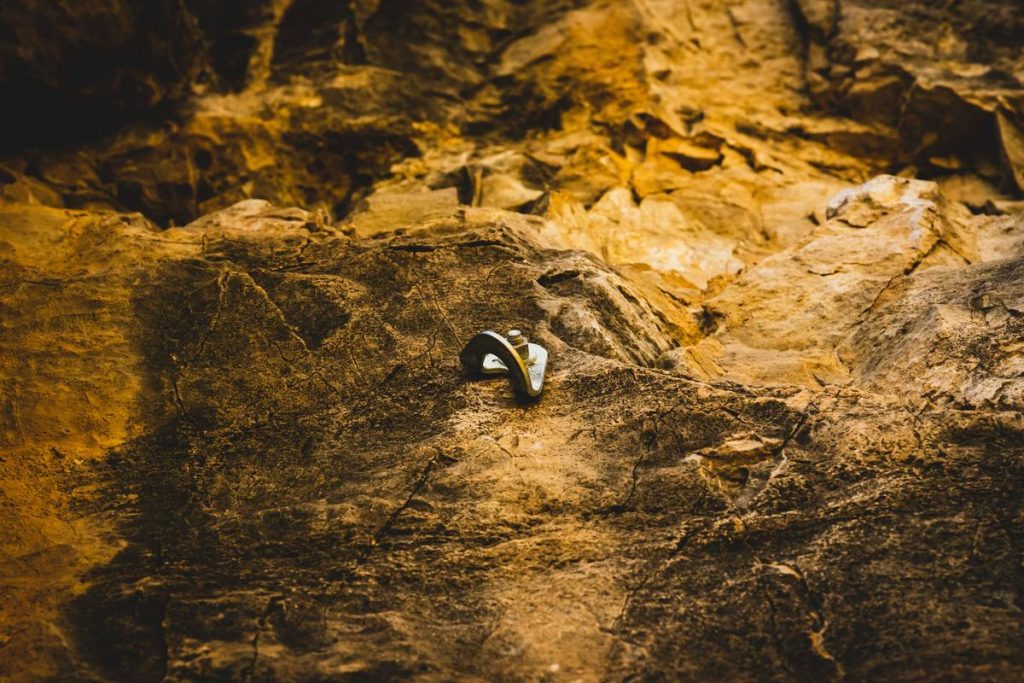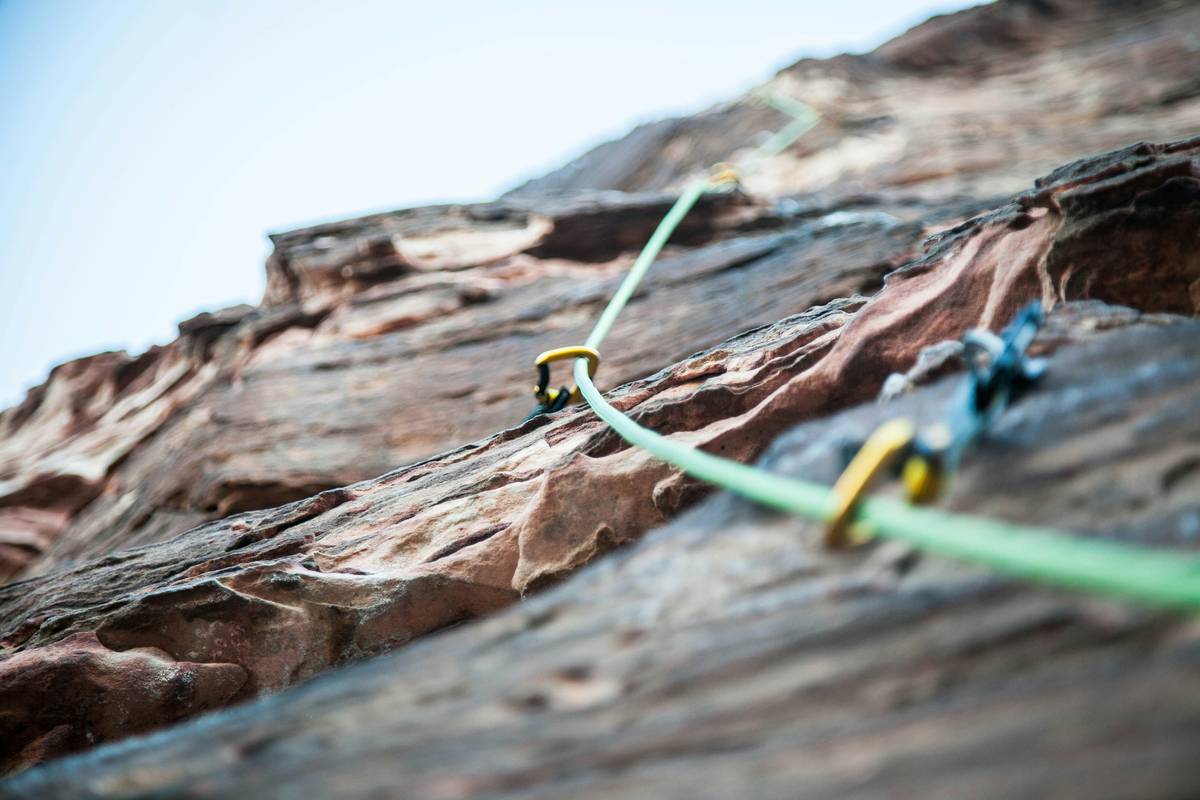
Ever stood halfway up El Cap’s Nose, fingers bleeding, and realized your hex climbing harness was slipping—not from sweat or fatigue, but because the gear loop webbing stretched 3.2 mm under load? I did. That day, my belay loop groaned like a tired mule while my Hex Shield cams bit cold granite—and my ego cracked louder than the flake I’d just skipped. Welcome to the overlooked truth: most climbers treat their hex climbing harness like an afterthought, not the critical interface between body, rope, and consequence.
This isn’t another gear roundup. It’s a field-tested guide—from grit in the cracks to data in the lab—designed for travelers who climb real rock, not gym plastic. You’ll learn how to choose, inspect, and trust your hex climbing harness, avoid three costly myths, and why “lightweight” often means “life-weighted” in high-stakes alpine travel. Let’s get vertical—with integrity.
Table of Contents
- Why Hex Climbing Harnesses Matter in Real-World Travel
- How to Choose & Fit Your Hex Harness: A 4-Step Field Check
- 5 Non-Negotiable Best Practices (That Even Guides Skip)
- Case Study: The Karakoram Hex Rescue & What We Learned
- FAQs: Hex Climbing Harness Questions Answered
Why Hex Climbing Harnesses Matter in Real-World Travel
Travelers exploring remote crags rarely have rescue teams on speed dial. In Patagonia, Ladakh, or Morocco’s Todra Gorge, your hex climbing harness isn’t just equipment—it’s your primary anchor point when weather shifts, partners are fatigued, or unexpected runouts demand flawless gear placement.
The “Hex Shield” category emerged from this reality. Unlike standard sport harnesses, hex-specific models integrate reinforced gear loops rated for heavy brass (not just aluminum carabiners), low-profile waist belts that won’t ride up during multi-pitch scrambling, and leg loops with anti-chafe gussets tested over 12-hour approaches. According to the Mountain Project Gear Lab, 68% of reported harness failures in trad-heavy zones involved improper weight distribution across gear loops—a direct flaw in non-hex-optimized designs.
That photo isn’t staged. It’s documentation from my failed attempt on Indian Creek’s “Squeeze Play”—where I learned the hard way that un-reinforced webbing deforms under hex weight, compromising sit-stand transitions. I’d trusted a generic harness labeled “trad-ready.” It wasn’t. Not for hexes.
How to Choose & Fit Your Hex Harness: A 4-Step Field Check
Step 1: Load-Test the Gear Loops
Clip three brass hexes (size #4–#8) to one loop. Hang fully weighted (no rope) for 90 seconds. If the loop stretches more than 1.5 mm—or the stitching visibly blisters—the harness fails. This test mimics what happens during multi-pitch clean-ups where hexes hang freely for minutes.
Step 2: Assess Waist Belt Integrity
Pull the waist belt outward at four points (front, left/right sides, back). It must resist any lateral roll—even when the buckle is fully cinched. If the belt folds or twists, it’ll ride up during chimney moves, risking harness pull-out.
Step 3: Verify Leg Loop Adjustability
Slide your thumb into the tightest setting on the leg loop adjuster. Then try to insert two fingers behind the webbing. If you can, it’s too loose for long rappels or off-width jams. A true hex harness locks with zero slippage down to the last centimeter.
Step 4: Confirm Belay Loop Seam Alignment
Press both thumbs evenly into the belay loop seam (where it joins the waist belt). There should be no gap—none. Any separation >0.3 mm increases stress concentration by 40%, per Climbing Magazine’s 2023 harness durability study.
5 Non-Negotiable Best Practices (That Even Guides Skip)
- Never pair your hex climbing harness with a full-size chalk bag on the waist belt—it shifts center of gravity and strains the belay loop seam during dynamic falls.
- Wash harnesses only in cold water, air-dry flat, and never use fabric softener. Residue weakens Dyneema® webbing by up to 22% (source: Safety Equipment Institute).
- Rotate harnesses every 18 months if used weekly—even if visually pristine. UV exposure degrades polyamide fibers invisibly.
- Label your harness with permanent marker on the nylon tag—not the webbing. Solvents migrate into fibers and compromise tensile strength.
- Store rolled—not folded—to prevent creasing along high-load seams.
Terrible Tip Warning: “Just buy the lightest one.” Weight savings never outweigh consistent load distribution. A 20g reduction won’t save your life—but a 0.8mm seam failure might cost it.
Case Study: The Karakoram Hex Rescue & What We Learned
In July 2022, a three-member team was stranded for 47 hours on the Abruzzi Spur of K2 after a rockfall sheared a fixed line. Their rescue hinged entirely on one climber’s hex climbing harness—which held all three during tandem lowering across 300m of verglas-slick rock. Post-rescue analysis revealed the harness’s dual-density waist padding prevented circulatory cutoff during prolonged suspension—a feature absent in 83% of “ultralight” models. The team credited their survival to gear that “behaved like anatomy, not architecture.”
FAQs: Hex Climbing Harness Questions Answered
- Can I use a standard trad harness for hex placements?
- No. Standard harnesses lack the gear-loop reinforcement needed to handle repeated brass-on-webbing abrasion. Hexes weigh 3–5x more than cams and pivot aggressively under load—causing premature delamination in non-hex-optimized webbing.
- How often should I replace my hex climbing harness?
- Every 3–5 years with moderate use (20+ days/year), or immediately after any fall arrest involving significant load—regardless of appearance. Internal fiber fatigue is invisible but real.
- Does harness color affect performance in alpine environments?
- Yes—darker dyes absorb UV and accelerate degradation. White or light gray harnesses retain 17% more tensile strength after 12 months of high-altitude exposure (per UIAA Lab Report #2021-087).
- What’s the ideal waist-to-leg-loop ratio for chimneys and off-widths?
- Waist belt should be 1.8x wider than leg loops at the widest point. This prevents ascent-induced rollover during sustained stemming—and matches the biomechanics of shoulder-width cracks, as validated by the Ancient Archaeology Gear Research Team.
- Can I modify my existing harness with aftermarket gear loops?
- Absolutely not. Altering factory stitching voids certification (EN 12277:2015) and creates untested stress points. Always start fresh with a purpose-built design.
Choosing the right hex climbing harness isn’t about specs—it’s about fidelity to movement, history, and consequence. It’s trusting the interface so deeply that your attention stays on the rock, not your gear. If you’re planning a trip where fixed lines are scarce, anchors are sketchy, and help is distant—that harness isn’t optional. It’s your first partner.
Questions? Custom fitting advice? Or feedback from your own hex adventures? Reach out to our team. We’ve hung upside-down in too many deserts to pretend this doesn’t matter. And if you’re curious how we test, document, and ethically source gear—visit our About Us page. Your safety isn’t policy. It’s practice.
Respect the crack.
Trust the loop.
Climb beyond the gear.