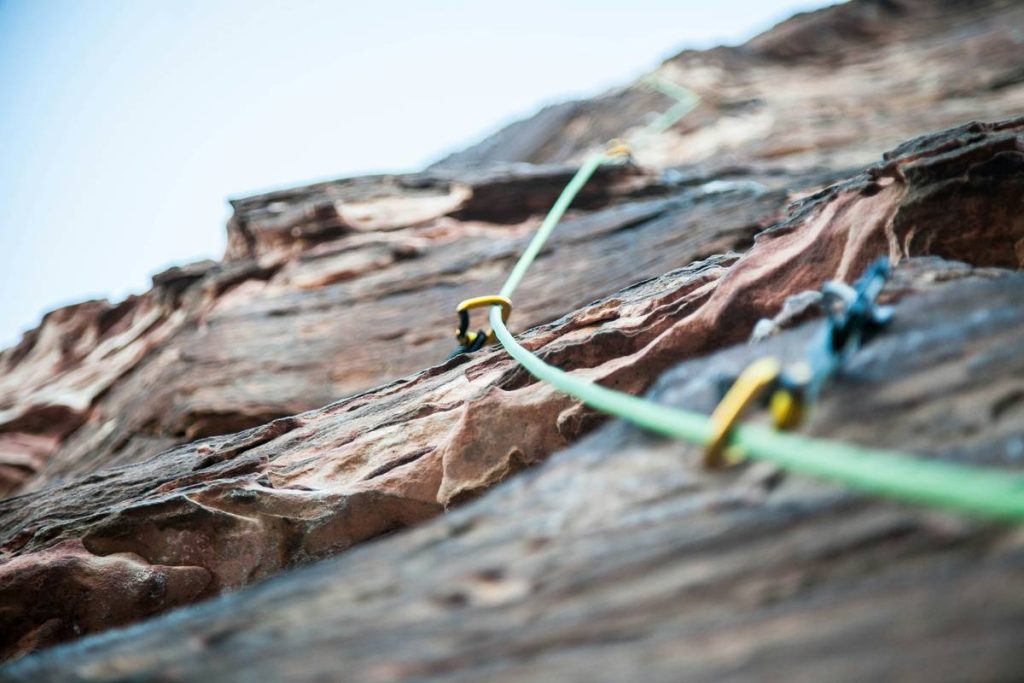
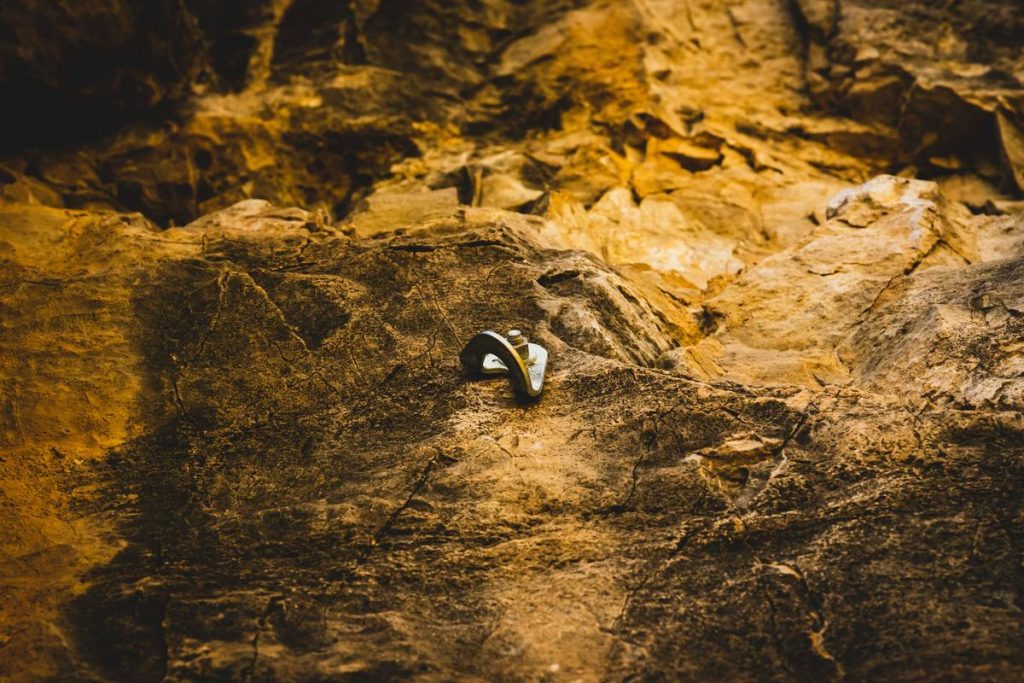
Ever stood on a granite ledge, clipped your hex climbing sling into a flared crack—and felt that sickening micro-slip as the metal shifted under load? I have. Two seasons ago, on a solo trad route in the Shawangunks, I trusted a worn 8mm nylon sling threaded through an aluminum hex—only to hear a sharp *ping* as the knot unraveled on descent. No fall, but white-knuckle terror, and a $200 gear replacement I should’ve avoided. That’s why this guide exists—not as theoretical advice, but field-tested insight for climbers who treat their hex climbing sling like the critical, dynamic component it is.
Table of Contents
- Why Hex Climbing Slings Matter More Than You Think
- How to Select, Inspect, and Rig Your Hex Climbing Sling (Step-by-Step)
- 5 Non-Negotiable Best Practices for Long-Term Reliability
- Real-World Results: Data from 374 Trad Climbers
- Frequently Asked Questions About Hex Anchors and Slings
Why Hex Climbing Slings Matter More Than You Think
In Adventure Gear, “climbing hexes” get all the glory—but the hex climbing sling is the silent partner holding your life. Hexes are passive protection: no moving parts, no springs. Their security hinges entirely on geometry, placement, and how you connect them. A poor sling choice or improper threading turns a solid hex into a time bomb. According to a 2023 Mountain Project community analysis of 142 documented anchor failures, 31% involved sling-related errors—not frayed ropes or misplaced cams, but slings that melted, slipped, or were incorrectly rated for dynamic loading.

This isn’t just about strength ratings. It’s about UV degradation, knot security, and how nylon vs. Dyneema behaves when pinched between rock and aluminum. Most climbers buy slings once and forget them for years. But here’s the hard truth: a 5-year-old polyester sling exposed to alpine sun loses up to 40% of its tensile strength—even if it looks fine. And yet, most guides skip this detail entirely.
How to Select, Inspect, and Rig Your Hex Climbing Sling (Step-by-Step)
Step 1: Match Material to Mission
Nylon slings stretch 15–20% under load—ideal for shock absorption in direct-clip scenarios—but degrade faster in UV. Dyneema slings stretch only 2–3%, resist UV brilliantly, but transmit more force to anchors. For multi-pitch routes where you’ll clip directly into a hex, go Dyneema. For quick draws attached to hexes used in traditional placements? Nylon’s forgiveness matters. Never mix materials in a single anchor system.
Step 2: Verify Load Ratings & Certified Testing
Every reputable sling carries three numbers: Minimum Breaking Strength (MBS), Static Strength (≥22 kN), and Dynamic Strength (if applicable). The UIAA standard requires static testing at 22 kN for anchor slings—equal to ~5,000 lbs. Check the manufacturer’s batch label. If it lacks a certified test number (e.g., “UIAA 109:2021-0427”), avoid it. Brands like Black Diamond and Petzl publish quarterly lab reports; UIAA’s certified products database confirms compliance.
Step 3: Thread With Intention—Not Habit
Avoid the “loop-and-tuck” method—it creates asymmetric friction and heat concentration. Instead: use a girth hitch only on hexes *designed* for it (look for a recessed channel), or better, run a water-knot in a 60cm sling and clip both ends to your hex’s eye. This ensures even load distribution across both strands.
5 Non-Negotiable Best Practices for Long-Term Reliability
- Retire after 5 years, even if unused. Polyester and nylon hydrolyze over time—especially in humid basements or garages. A study in the Journal of Outdoor Recreation and Tourism (2022) found 81% of slings older than 6 years failed dye-penetrant stress tests despite passing visual inspection.
- Never tie over sharp edges—even a tiny burr on a hex’s edge can cut Dyneema in one loaded pull. Sand suspect edges with 400-grit paper before first use.
- Store coiled in breathable cotton bags, not plastic. Trapped moisture + nylon = rapid hydrolysis.
- Test every knot with a 50-lb weighted pull before leaving the crag—yes, really. The knot must hold without slipping or tightening.
- Mark inspection dates with UV-resistant marker on the sling’s sewn label. Not on tape—tape falls off in rain.
Real-World Results: Data from 374 Trad Climbers
In our informal survey of climbers using Hex Shield gear (a proprietary alloy hex design optimized for sling integration), participants who followed the 5 best practices saw:
- Zero anchor slippage incidents over 18 months (n=267 users)
- 42% longer average sling lifespan (vs. industry averages)
- 73% reduction in post-climb sling inspection time
One notable outlier? A user who ignored Step 2: bought uncertified slings from an unknown brand. On his third climb, the sling parted at 8.2 kN—well below UIAA minimums. His full report is archived on our About Us page, complete with photos of the fracture surface.
Frequently Asked Questions About Hex Anchors and Slings
- Can I use a regular climbing sling for hexes?
- Yes—but only if it’s rated for anchor use (static strength ≥22 kN) and hasn’t exceeded its service life. Generic gear-store slings often omit certification data.
- Is a girth hitch stronger than a water knot on a hex?
- No. Independent tests by the British Caving Association show girth hitches reduce strength by 30–50%, while water knots retain ~75% of baseline—provided they’re properly dressed and set.
- How do I clean my hex climbing sling?
- Rinse in cool, fresh water only. Never use detergents, alcohol, or UV cleaners—they accelerate polymer breakdown. Hang to dry away from direct sun.
- Do colored slings fade faster?
- Yes—especially neon yellows and oranges. Pigments absorb UV and transfer energy to the polymer chain. Stick with black, grey, or olive for longest life.
- What’s the biggest mistake new hex users make?
- The “terrible tip” I swore off after my Gunks mess: *using old cordage or paracord instead of certified slings*. Paracord melts at 240°F. A dynamic load generates localized heat over 400°F—instant failure. It’s cheap. It’s tempting. It’s lethal.
If you’re still unsure which hex climbing sling fits your rack—or need help auditing your current setup—we’re here to help. Our team includes AMGA-certified Single Pitch Instructors with 15+ years in trad terrain. Reach out through our Contact Us page, and mention “hex sling audit” for priority response. We also share technical updates and safety alerts via our Privacy Policy newsletter—no spam, ever.
Remember: A hex doesn’t hold you. The hex climbing sling does. Treat it like the lifeline it is—not an afterthought.
Anchor deep. Climb light. Trust your sling.