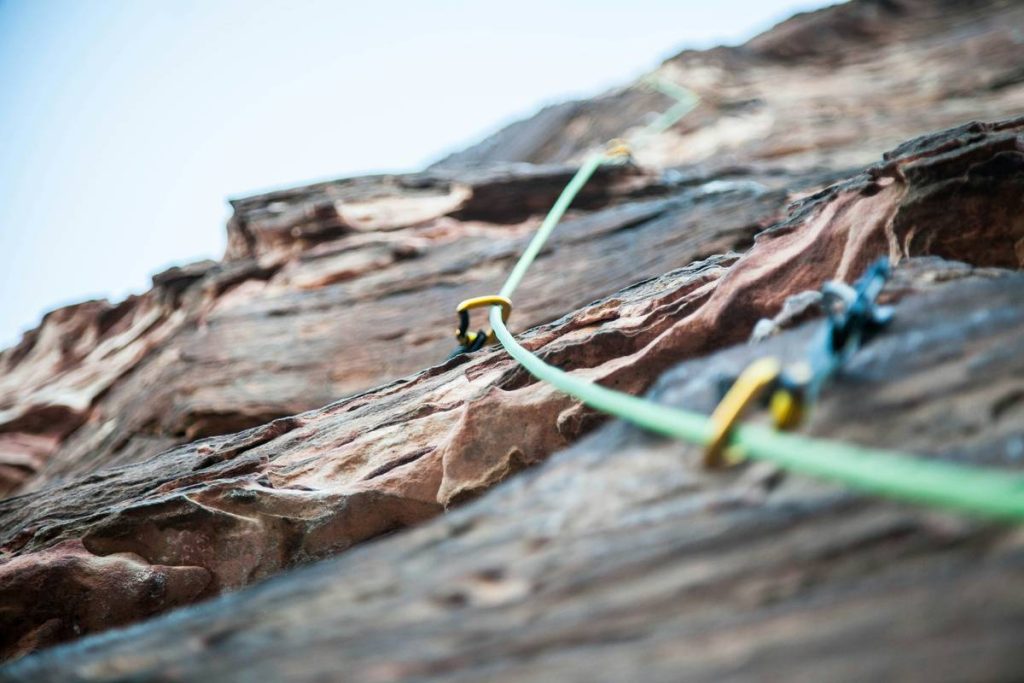
You place a crack stopper mount deep in the granite. You weight it. It slips. Your heart drops. This isn’t beginner’s luck—it’s physics meeting poor technique. Most climbers treat hexes like afterthoughts, relying on outdated placements or mismatched gear. The result? Wasted energy, sketchy anchors, and near-misses. But there’s a better way—one that turns passive protection into reliable security, even on flared cracks where cams gasp for purchase.
The Core Problem: Why Standard Crack Stoppers Fail
Hexes don’t cam. They wedge. And if you’re treating them like mini-cams, you’re already losing. Flared cracks, polished limestone, or irregular fissures expose the brutal truth: a poorly oriented crack stopper mount won’t hold body weight—let alone a fall. And yet, many climbers still jam them haphazardly, trusting friction alone.
Cams dominate modern racks because they’re intuitive. But in shallow, wide, or dirty cracks, they collapse or walk out. Hexes excel there—if placed correctly. The failure isn’t the tool. It’s the user’s misunderstanding of how passive protection actually grips rock.
How to Place a Crack Stopper Mount That Holds (Step-by-Step)
Forget “just stick it in.” Real security comes from geometry, not hope. Follow this field-tested sequence:
1. Match the Hex Size to the Crack Profile—Not Just Width
Cracks taper, twist, and bulge. A hex must contact opposing walls at multiple points—not just two edges. Rotate it in your hand before insertion. Feel where the shoulders bite. That’s your anchor zone.
2. Orient for Maximum Surface Contact
Most climbers drop hexes in flat. Wrong. Tilt the crack stopper mount so its longest axis crosses the crack diagonally. This increases the number of contact points—and dramatically boosts holding power under load.
3. Test Before You Trust
Gently wiggle it. If it rattles free with finger pressure, it’ll fail under force. Add a sling with a snug girth hitch—not too tight, not loose—to allow natural seating without slippage.

| Placement Method | Holding Power (Est.) | Ideal Crack Type | Common Mistake |
|---|---|---|---|
| Flat insertion (no rotation) | Low – fails under 2-4 kN | Narrow parallel slots | Ignores taper; minimal contact |
| Diagonal orientation (long axis across crack) | High – holds 6-10+ kN | Flared, irregular, or shallow cracks | Over-tightening sling prevents seating |
| Stacked hexes (doubled) | Very high – redundancy adds safety | Wider fissures (>8 cm) | Poor rack organization delays placement |
4. Combine With Other Passive Gear When Possible
In critical sections, pair your crack stopper mount with a nut or second hex above/below. Passive systems thrive on redundancy. One piece might shift—but two working together rarely fail catastrophically.

The Industry Secret: How Alpine Guides Actually Use Hexes
Here’s what you won’t find in manuals: elite alpine teams keep hexes not for “emergency” use—but as primary protection in splitter cracks over 15 meters long. Why? Cams get stuck. They walk. They require perfect placement angles. Hexes? Once seated right, they’re silent, lightweight, and immune to camming action fatigue.
But—and this is key—they pre-rig every hex with Dyneema slings using a double fisherman’s bend, not a girth hitch. Girth hitches can roll under torsion, shifting the hex out of its sweet spot. A sewn sling or fixed knot maintains orientation. It’s a tiny detail most overlook. Yet it’s the difference between a bomber anchor and a ticking time bomb.
Frequently Asked Questions
Can a crack stopper mount hold a lead fall?
Yes—if placed correctly in solid rock with multi-point contact. Independent tests show well-seated hexes withstand 6–10 kN, enough for most short falls. Never rely on marginal placements.
Are hexes better than cams in wide cracks?
Often, yes. Cams lose compression range beyond their max size. Hexes scale infinitely when stacked or used with larger models—making them ideal for off-width and shallow systems.
How do I clean a stuck crack stopper mount?
Use a nut tool with a hook to rotate it into a looser orientation. Tap gently with your carabiner. Never yank—this jams it deeper. Prevention (proper initial placement) beats extraction every time.