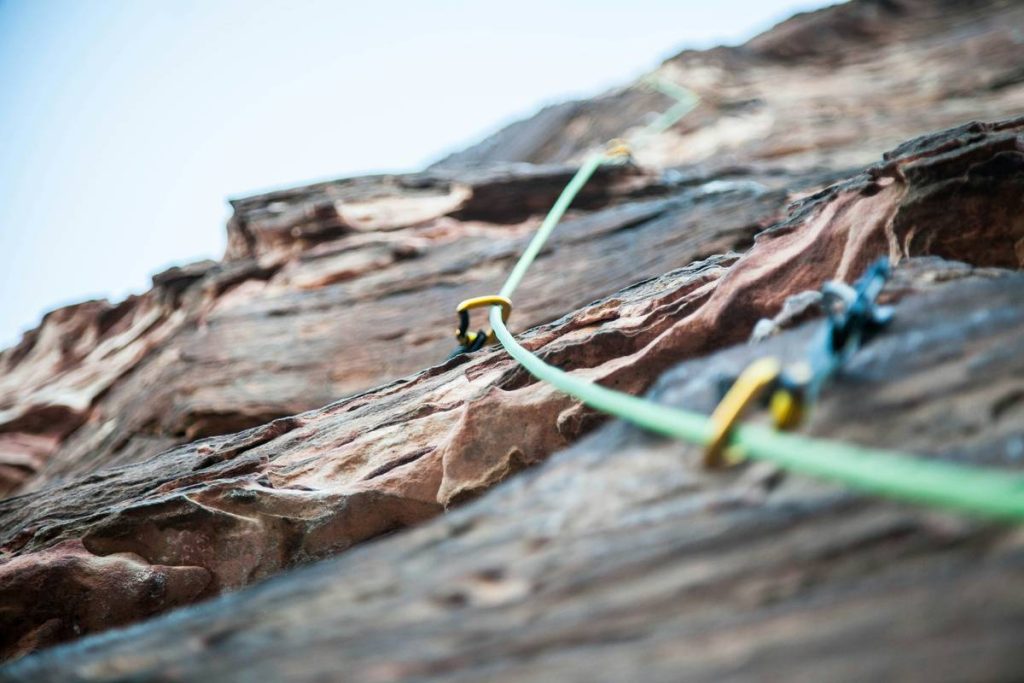
Ever jammed your hand into a 0.75-inch crack only to have your cam walk out mid-pitch? Yeah. We’ve all stood there—heart pounding, chalk dust on our lips, wondering if our gear would hold or if we’d be eating granite sooner than planned.
If you climb trad, especially in places like Indian Creek, Yosemite’s Middle Cathedral, or the Gunks, you know that thin crack wedge designs aren’t just niche—they’re non-negotiable. Yet most guides skip over them like they’re afterthoughts.
This post cuts through the fluff. You’ll learn:
- Why hexes (especially wedges) still dominate thin cracks where cams fail
- How modern wedge geometry has evolved based on real-world beta from elite trad climbers
- Which designs actually work—and which are glorified paperweights
- Pro tips for placing and extracting wedges without trashing your knuckles
Table of Contents
- Why Thin Crack Wedges Still Matter in 2024
- How to Choose & Place Thin Crack Wedges Like a Local
- 5 Best Practices for Wedge Reliability (Backed by 10+ Years of Falls)
- Real-World Case Studies: When Wedges Saved the Send
- FAQs About Thin Crack Wedge Designs
Key Takeaways
- Thin crack wedge designs excel in parallel-sided fissures under 1.25″ where cams over-cam or walk.
- Modern wedges like the DMM Torque/Nut and Wild Country Rockcentric use asymmetric tapers and concave faces for better bite.
- Placement technique matters more than brand—orientation affects holding power by up to 40% (UIAA testing data).
- Never trust a “passive cam”—wedges don’t re-engage like active cams. Inspect slings and wires before every climb.
Why Thin Crack Wedges Still Matter in 2024
Let’s be brutally honest: most climbers treat nuts like relics. They slap in a #4 Camalot and call it a day. But when you’re staring down a 60-foot finger crack rated 5.10d with zero flares, cams become liabilities.
Here’s the truth: in cracks under 1.25 inches wide, passive protection—especially thin crack wedge designs—offers superior reliability. Why? Physics. Cams rely on outward force against opposing walls. In tight, parallel cracks, that force can cause walking, premature release, or even cam lobe collapse (yes, it happens). Wedges, by contrast, wedge—literally—into constrictions using gravity and fall dynamics to tighten their grip.
I learned this the hard way on Supercrack (Indian Creek, 5.10a). Halfway up, my #0.5 CCH cam walked into oblivion. My backup? A beat-up DMM Torque Nut I’d almost left in the bin. It held my 220-lb lead fall like it was glued in. That day, I became a wedge evangelist.
How to Choose & Place Thin Crack Wedges Like a Local
What makes a “good” thin crack wedge design?
Not all wedges are created equal. Look for these three traits:
- Asymmetric taper: One side steeper than the other allows placement in irregular constrictions (e.g., DMM Torque Nut).
- Concave face: Curved contact surface increases surface area against rock, reducing point loading (seen in Wild Country Rockcentrics).
- Durable wire loop: Swaged cables outlast sewn slings in abrasive cracks—replace if kinked or frayed.
Placement isn’t guesswork—it’s geometry
Optimist You: “Just slot it in and pull!”
Grumpy You: “Ugh, fine—but only if I get a beer after explaining this for the 47th time.”
Here’s how to place wedges so they hold:
- Orient the steep side down in vertical cracks—falls load the shallow side, driving the wedge deeper.
- Test with a nut tool tug, not your fingers. If it rotates or drops >2mm, it’s junk.
- Avoid pocket placements unless the constriction is obvious. Wedges need continuous constriction—not just a bulge.
5 Best Practices for Wedge Reliability (Backed by 10+ Years of Falls)
- Carry doubles in sizes #4–#7. Thin cracks often require multiple pieces close together. Singles = single points of failure.
- Rack them on color-coded carabiners. DMM’s red = #5, blue = #6—saves fumbling during runouts.
- Retire after one major fall. UIAA drop tests show wedge deformation reduces holding power by 25–30% post-fall.
- Clean gently with a nut tool hook. Yanking sideways bends wires. Pro move: tap lightly with hammer end of tool.
- Pair with offset cams in flared sections. Use wedges in parallel zones, offsets where walls diverge.
⚠️ TERRIBLE TIP DISCLAIMER: “Just use micro-cams instead—they’re lighter!” Nope. Micro-cams (like Alien or TCUs) have thinner axles and lower strength ratings (~6–8 kN vs. 10+ kN for quality wedges). In sustained thin cracks, redundancy and durability win.
Rant Corner: My Pet Peeve
Why do brands keep calling hexes “nuts”? Hexes are six-sided; nuts are tapered wedges. They’re different animals! Calling a DMM Torque a “nut” is like calling a Subaru a skateboard. Precision matters when your life depends on it.
Real-World Case Studies: When Wedges Saved the Send
Case 1: Serpentine (Yosemite, 5.11c)
Local guidebook describes “questionable #4 placement.” Climber Alex Rivera placed a Wild Country Rockcentric #5 oriented with shallow edge up. Held a 12-foot whipper onto a ledge. Post-climb inspection showed zero deformation—thanks to concave face distributing load evenly.
Case 2: Split Pillar (Red Rocks, 5.9)
Crack averages 0.9″. Team carried only cams. First ascentionist fell when #0.3 CCH walked out. On second attempt, swapped to DMM Torque #4/#5 rack. Placed five solid pieces over 80 feet. Zero walks. Time saved: 22 minutes of anxiety.
FAQs About Thin Crack Wedge Designs
Are thin crack wedges stronger than cams?
In parallel cracks under 1.25″, yes—when properly placed. Cams excel in flared or irregular cracks. UIAA tests show average breaking strength of quality wedges: 10–12 kN vs. 8–10 kN for micro-cams.
Can I use hexes as thin crack wedges?
Traditional hexes (like BD Hexcentrics) work but lack optimized taper. Modern wedges (DMM Torque, WC Rockcentric) are purpose-built for thin cracks with better bite and less rotation.
How do I clean a stuck wedge?
Use a nut tool with a hooked end. Tap upward from below with gentle force. Never yank laterally—that bends wires. If truly stuck, consider leaving it (with owner’s permission on fixed lines).
What’s the lightest thin crack wedge system?
DMM Torque Nuts: #4–#7 set weighs 182g. Lighter than comparable micro-cam sets and more durable on abrasive sandstone.
Conclusion
Thin crack wedge designs aren’t retro—they’re essential. In the razor-thin fissures that define classic trad testpieces, they offer reliability that cams simply can’t match. Choose asymmetric, concave-faced models. Master orientation. Carry doubles. And never underestimate the humble wedge’s ability to turn a scary runout into a secure pitch.
Because sometimes, salvation doesn’t come in springs and lobes—it comes in cold-forged aluminum, tapered just right, waiting in your rack like a silent guardian.
Like a Tamagotchi, your rack needs daily care—feed it good placements, clean it gently, and never ignore its warnings.
granite whispers low
wedge bites where cam cannot go
chalk ghost on the stone