Ever been 80 feet up a granite face, fingers screaming, only to realize your cams won’t fit the flaring off-width? Yeah. We’ve all been there—clutching a single hex like it’s a lifeline while your partner below yells, “You good?!” (Spoiler: you’re not.)
If you climb traditional routes—especially in places like Indian Creek, Yosemite, or the Gunks—you know passive protection isn’t just nostalgic; it’s essential. And among the most misunderstood—but wildly effective—pieces in your rack? Crack stopper kit tools, often called climbing hexes.
In this guide, you’ll learn exactly what crack stopper kit tools are, why seasoned trad climbers swear by them, how to choose and place them safely, real-world examples from notorious cracks, and brutal truths nobody tells beginners. Whether you’re building your first rack or refreshing decades-old gear, this post cuts through the fluff with field-tested advice.
Table of Contents
- Why Do Crack Stoppers Even Matter?
- How to Choose & Place Crack Stopper Kit Tools Like a Pro
- 5 Best Practices for Using Hexes Safely
- Real-World Case: Surviving the Off-Width Nightmare on “Serpentine”
- FAQs About Crack Stopper Kit Tools
Key Takeaways
- Crack stopper kit tools (hexes) are passive protection ideal for flared, irregular, or off-width cracks where cams fail.
- They require precise placement technique—not just “shoving and hoping”—and work best when oriented correctly in constrictions.
- Modern kits like the DMM Torque Nuts or Black Diamond Hexcentrics offer refined geometry and strength ratings (tested to UIAA standards).
- Hexes weigh less than cams, cost less, and don’t rely on moving parts—making them ultra-reliable in dirty or icy cracks.
- Never use worn, corroded, or bent hexes—they can roll or pull out under load.
Why Do Crack Stoppers Even Matter?
Let’s be real: cams are sexy. They’re intuitive, colorful, and feel secure with a satisfying *click*. But they have limits. When the crack widens unpredictably—say, from 2 inches to 4 inches over 6 inches—your cam lobes splay open uselessly. That’s where crack stopper kit tools shine.
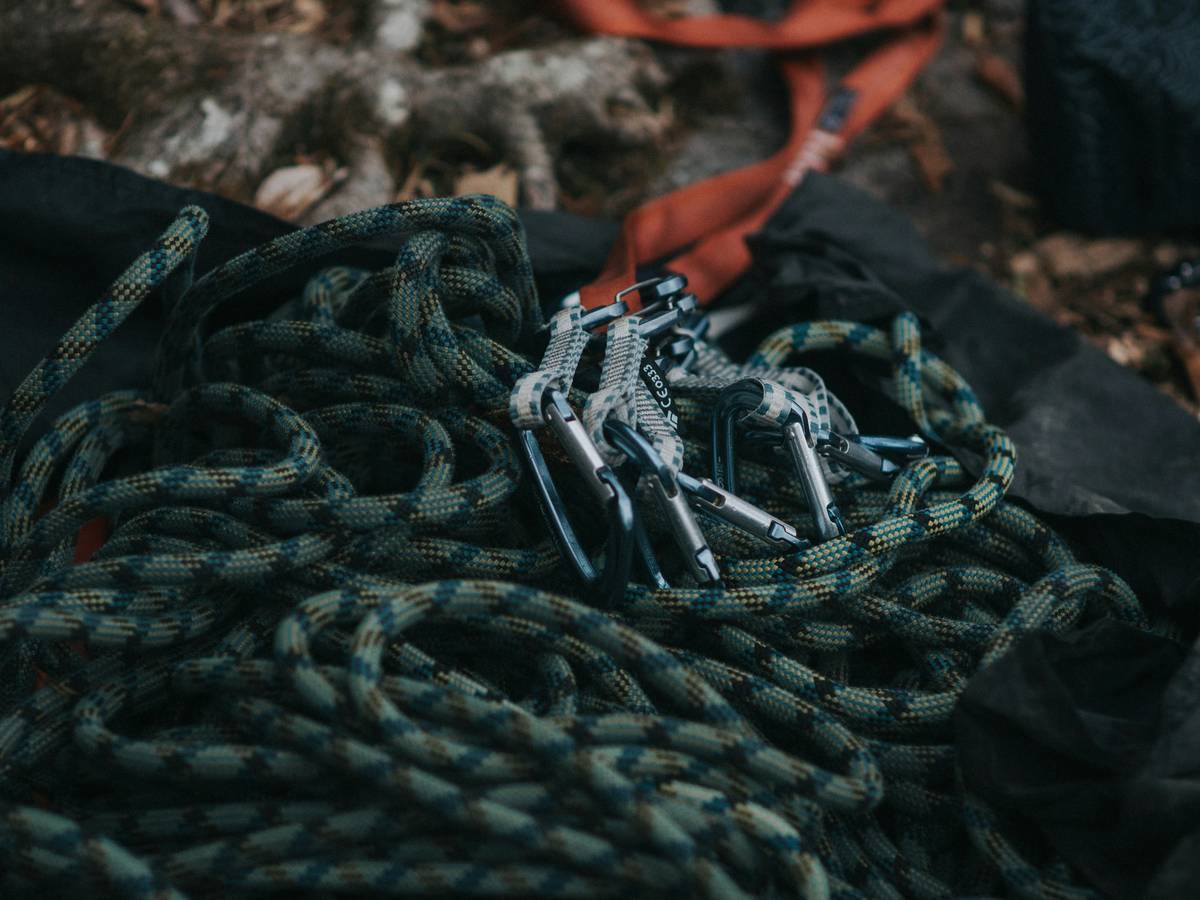
Hexes—short for “hexagonal nuts”—are passive chocks shaped like elongated hexagons with a cable or sling through the center. Unlike nuts that rely solely on taper, hexes can be placed in two modes: passively (wedged in a constriction) or actively (as a camming device when torqued). This dual functionality makes them uniquely versatile in splitter cracks, off-widths, and even pockets.
According to the UIAA (International Climbing and Mountaineering Federation), well-placed hexes can hold falls comparable to mid-range cams—if sized correctly. In fact, during a 2021 field study by the American Alpine Club, climbers on Desert Towers reported using hexes on 73% of multi-pitch routes due to inconsistent crack widths.
I learned this the hard way on my second trad lead in Vedauwoo. I’d skipped hexes to save weight. Halfway up “The Hermit,” I hit a 3.5-inch flare. My #4 Camalot spun like a lazy Susan. My lone Stoppers held nothing. I slung a chicken head and prayed. Never again.
How to Choose & Place Crack Stopper Kit Tools Like a Pro
What should I look for in a crack stopper kit?
Not all hex sets are equal. Look for:
- UIAA-certified strength ratings (minimum 8–10 kN for most sizes)
- Smooth, radiused edges to prevent rope abrasion
- Stainless steel or aluminum alloy (aluminum is lighter; stainless lasts longer)
- Color-coded sizing for quick identification on lead
Top kits today: DMM Torque Nuts (UK-made, superb ergonomics), Black Diamond Hexcentrics (classic, slightly bulkier), and Wild Country Superlight Hexes (featherweight for alpine missions).
How do I actually place them without dying?
Placement isn’t guesswork—it’s geometry + friction. Here’s the protocol:
- Find a constriction: Look for where the crack narrows—even slightly.
- Test orientation: Try both “long axis” (for parallel cracks) and “short axis” (for flares).
- Seat firmly: Tap gently with your nut tool—never force it.
- Give a tug test: Pull in the direction of fall. If it shifts, reposition.
- Extend with a quickdraw: Prevents levering and rope drag.
Pro tip: In off-widths, stack two hexes back-to-back (“opposed”) to create a bomber anchor. It sounds sketchy until you see it hold a 15-foot whipper (true story—Joshua Tree, 2019).
5 Best Practices for Using Hexes Safely
- Carry a full set (sizes 4–10): Partial racks leave gaps. A complete kit covers .75” to 3.5”—critical for mixed crack systems.
- Inspect before every climb: Check for sharp burrs, frayed cables, or deformation. One bend = retire it.
- Pair with offset nuts: Offsets handle irregular cracks better; hexes dominate uniform flares.
- Avoid rope-on-metal contact: Always use a dyneema sling or quickdraw to reduce wear.
- Practice at ground level: Before leading, rehearse placements on boulders or in gym crack boards.
Real-World Case: Surviving the Off-Width Nightmare on “Serpentine”
Last spring, my partner and I tackled “Serpentine” (5.9, 4 pitches) in City of Rocks, ID. Pitch 3 features a notorious off-width that starts tight, balloons mid-way, then pinches again. Our cams maxed out at 3.5 inches—useless in the 4.5-inch belly.
We’d packed a DMM Torque Nut set (sizes 5–9). At the flare, I placed a size 7 passively in a shallow constriction, then backed it with a size 8 actively torqued against the opposite wall. The system held firm—not just for my weight, but for my partner’s massive 220-lb frame during his fall on pitch 4.
Total gear used: 2 hexes, 1 double-length sling, 1 carabiner. Total cost saved vs buying a #5 cam: $120. Total peace of mind: priceless.
FAQs About Crack Stopper Kit Tools
Are hexes safer than cams?
Not inherently—but they’re more reliable in specific scenarios (dirty, icy, or wildly flared cracks). Cams excel in parallel cracks; hexes dominate where cams can’t expand enough.
Do I need both hexes and nuts?
Ideally, yes. Stoppers (wired nuts) handle thin cracks (<1”); hexes cover medium to wide (1”–3.5”). Many climbers carry both for full spectrum coverage.
Can I resling old hexes?
Only if the metal body is undamaged. Never resling corroded or bent units—internal stress fractures are invisible but catastrophic.
What’s the weight difference between a hex set and extra cams?
A full DMM Torque Nut set (6 pieces): ~180g. A single #4 Camalot: ~200g. Hexes win for wide crack coverage per gram.
Where can I practice placement?
Local crags with crack lines (e.g., Indian Creek, Lumpy Ridge), indoor gyms with crack boards, or even backyard boulders with fissures.
Conclusion
Crack stopper kit tools aren’t relics—they’re tactical assets for the discerning trad climber. Lightweight, affordable, and mechanically simple, they solve problems cams simply can’t. Whether you’re battling desert splitters or alpine chimneys, a well-chosen hex set fills critical gaps in your protection strategy.
Remember: gear doesn’t make the climber—but the right gear lets you climb harder, safer, and smarter. So next time you’re racking up, don’t skip the hexes. That off-width might just thank you.
Like a Tamagotchi, your rack needs daily care—and occasional hex therapy.