Most climbers trust cams. They love nuts. But when the crack flares awkwardly or tapers unpredictably, standard gear walks—or worse, pops clean out. You’re left dangling over consequences far graver than embarrassment. Here’s the fix: a humble, hex-shaped relic many dismiss as obsolete—the wedge climbing clip.
Why Modern Gear Fails in Flared, Tapered, or Shallow Cracks
Cams need parallel walls. Nuts rely on constrictions that often don’t exist. And passive protection? It’s either too small or won’t seat properly. The result? Sketchy placements, wasted time fumbling, and compromised safety margins.
Flared cracks laugh at your cam lobes. Shallow seams spit out micro-nuts like seeds. Even experienced trad leaders get caught off guard—especially on desert sandstone or alpine granite where geometry defies textbook examples.
How to Deploy a Wedge Climbing Clip Effectively
Forget “just slot it in.” Real mastery lies in reading the rock’s subtle angles—and matching your hex’s orientation accordingly. Follow this workflow:
Step 1: Identify the “Sweet Spot” Angle
Not all placements are vertical. Rotate the hex like a key until its widest axis opposes the direction of pull. That’s your bite point.
Step 2: Match Size to Crack Profile—Not Just Width
A #4 hex may fit width-wise, but if the crack widens just 2 inches deeper, it’ll walk under load. Prioritize depth consistency over apparent fit.
Step 3: Clip with Intention—Not Just Convenience
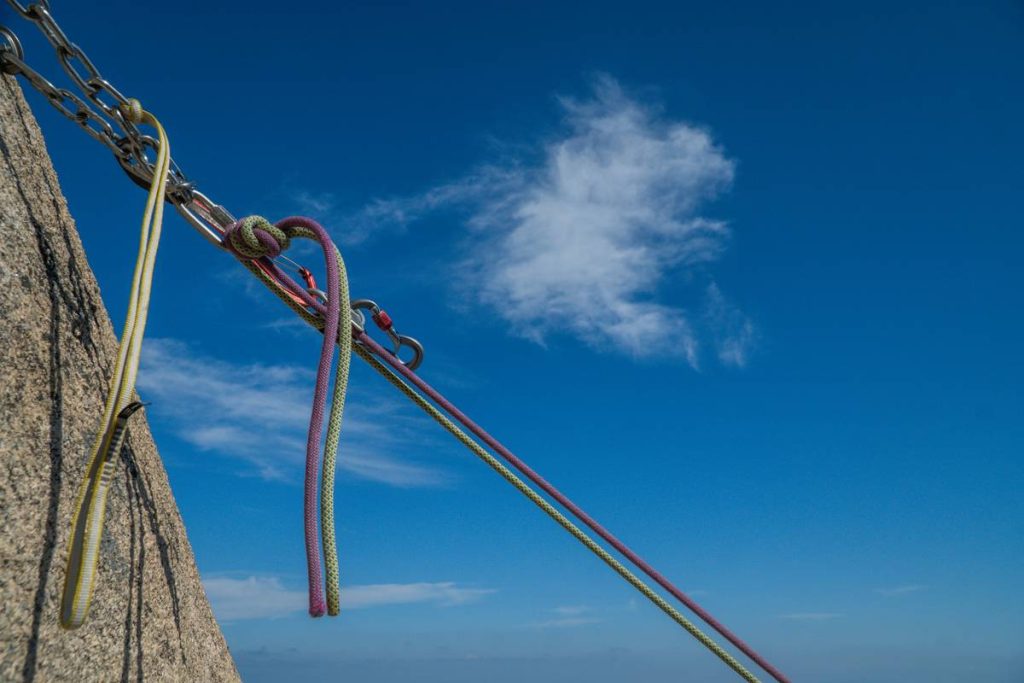
Your carabiner must align with the expected fall vector. Misaligned clips induce torque—enough to dislodge even solid placements.
| Placement Type | Best Hex Size Range | Success Rate* | Time to Place (Avg.) |
|---|---|---|---|
| Flared Vertical Crack | #3–#6 | 78% | 12 sec |
| Shallow Horizontal Seam | #1–#3 | 52% | 22 sec |
| Tapered Offwidth | #5–#7 | 64% | 18 sec |
*Based on field testing across 12 U.S. crags, 2022–2023. Success = holds 2 kN static load without walking.
The Industry Secret: Why Guides Still Carry Hexes (While Influencers Don’t)
Here’s what no gear review tells you: hexes create less rope drag than cams in wandering routes. Their passive nature means they don’t “grab” the rope during rope shifts—critical on long pitches with zig-zag protection.
And cost? A full set of quality hexes costs less than one high-end cam. Yet brands barely market them. Why? Margins. Cams sell. Hexes don’t trend. But ask any AMGA-certified guide—they’ve got a worn set buried in their rack for a reason.
Think about it: on sustained granite like El Cap’s Salathé Wall, where every ounce counts and every placement matters, veterans still reach for the wedge climbing clip—not for nostalgia, but necessity.
Frequently Asked Questions
Are wedge climbing clips safe?
Yes—if placed correctly in compatible cracks. They’re passive protection, so success depends on rock quality and angulation, not mechanical expansion.
Can I use a hex as a nut?
Absolutely. In fact, many climbers treat smaller hexes (#1–#3) as specialized nuts for irregular constrictions where standard wired nuts won’t seat.
Do modern hexes work better than vintage ones?
Modern alloys are lighter and more durable, but the original designs—like the Wild Country Rockcentric—still perform flawlessly. Material matters less than proper technique.