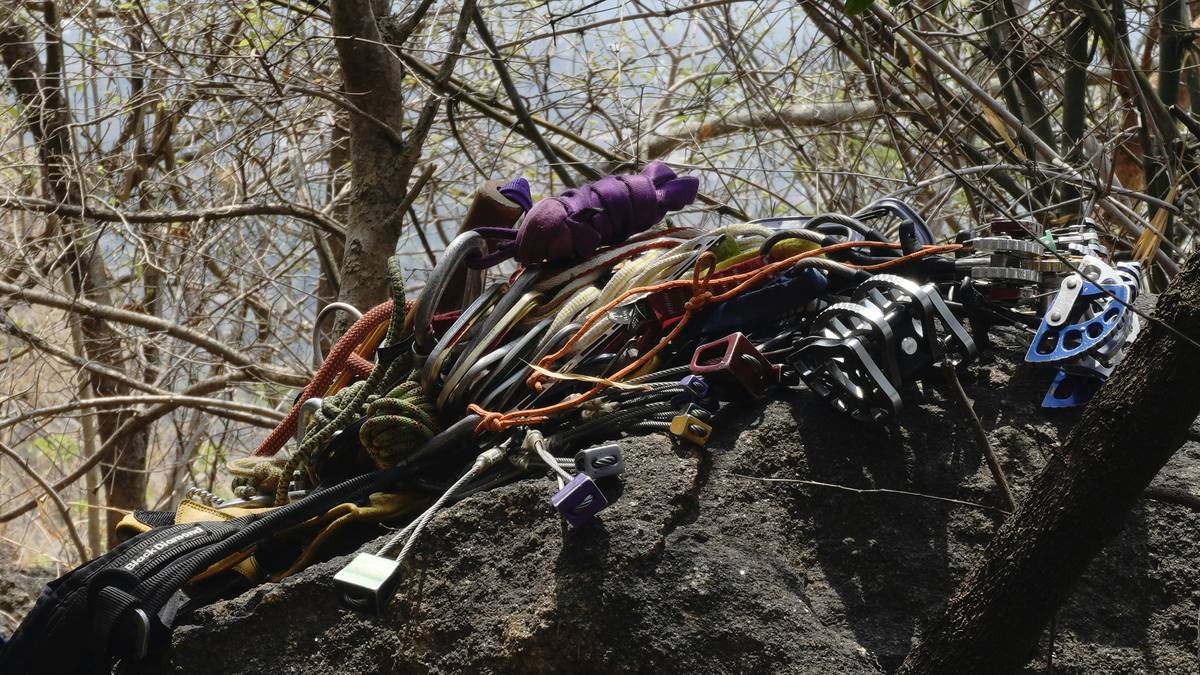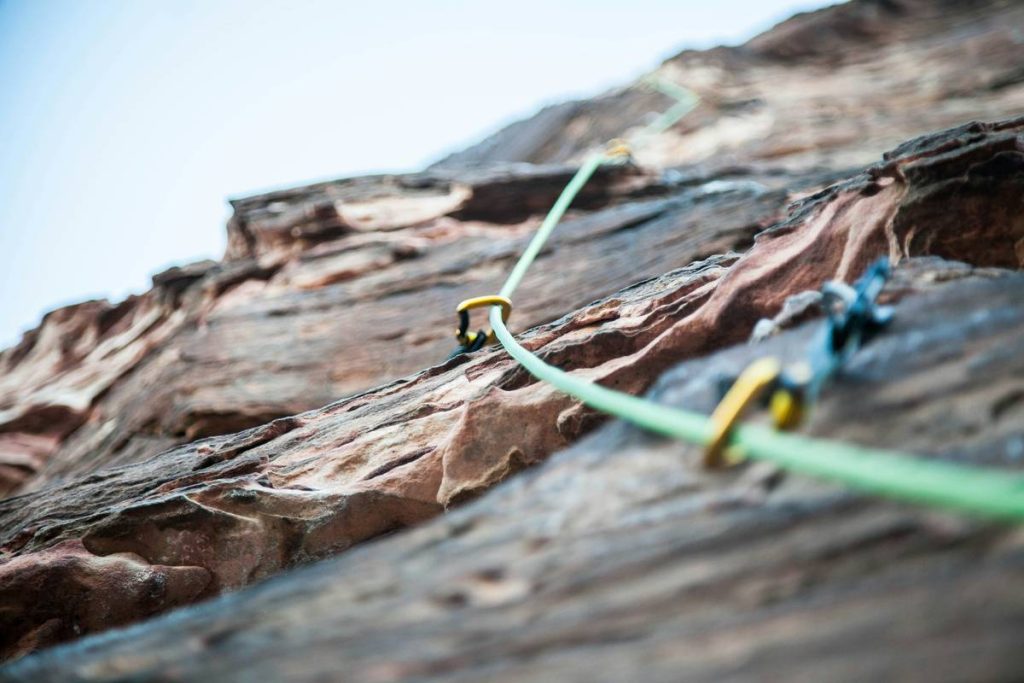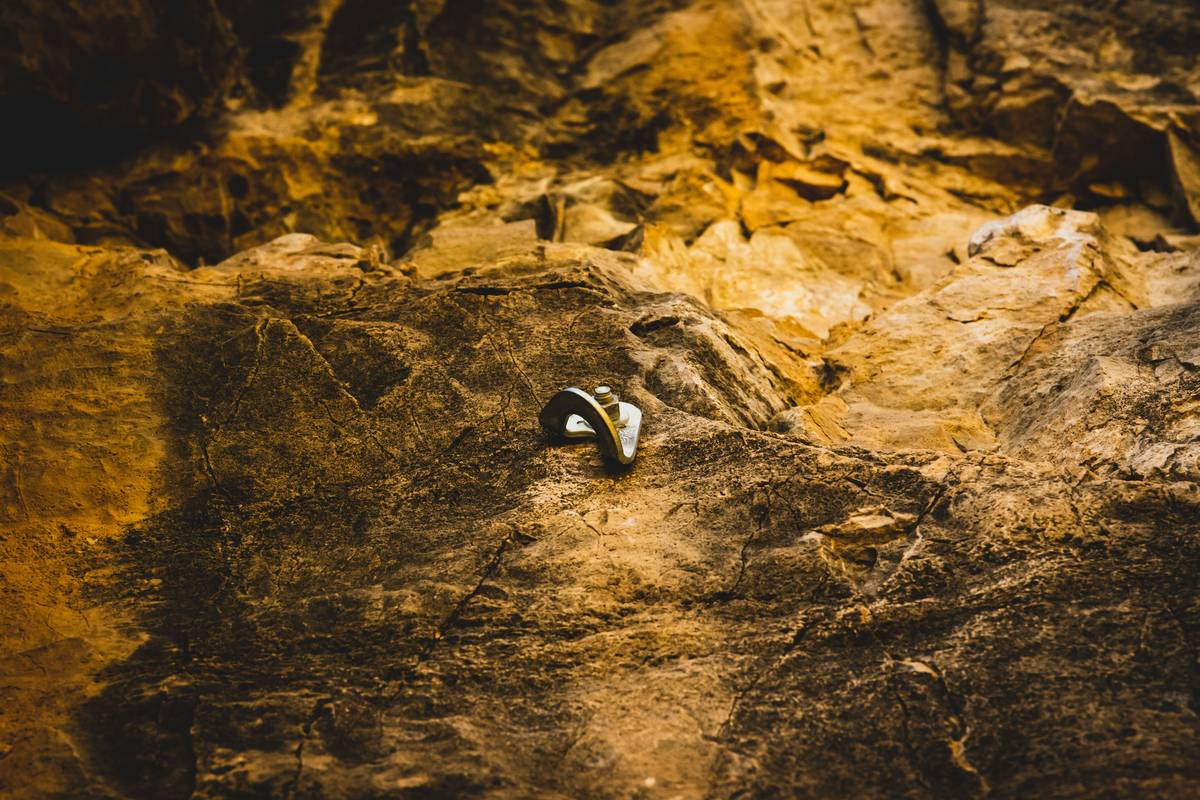
You place your gear. You trust it. Then you fall—and your anchor fails. It happens more than guides admit. Most climbers rely on cams or nuts, but what about the weird, asymmetrical piece gathering dust in your rack? That’s your hex climbing anchor set—and it’s quietly one of the most reliable passive protection tools ever engineered.
Why Standard Anchors Let You Down on Thin Rock
Cams slip in flared cracks. Nuts pull in shallow placements. And if you’re climbing in alpine granite or brittle sandstone, gear failure isn’t just possible—it’s probable under dynamic load. Modern trad climbers obsess over camming range and weight savings. But they ignore geometry. Hexes exploit irregular constrictions that cams can’t even touch. Their tapered, multi-sided design bites into micro-features most gear misses. And unlike cams, they don’t require precise orientation—just a solid wedge.
Yet most racks carry zero hexes. Why? Marketing. Brands push shiny new tech. But veteran alpinists know: when rock gets weird, hexes get real.
How to Build a Reliable Anchor with Your Hex Climbing Anchor Set
Forget bolting every route. In wilderness zones or on historic climbs, your life depends on passive pro. Here’s how to deploy hexes like a seasoned guide—not a weekend warrior.
Step 1: Size Matters—But Not How You Think
Don’t just grab the biggest hex that fits. Look for progressive constriction—where the crack narrows deeper in. A smaller hex seated deep often holds better than a large one perched near the surface. Wiggle it. Tap it. If it rattles, it’s useless.
Step 2: Directional Stability Is Non-Negotiable
Hexes aren’t omnidirectional. Place them so the pull aligns with their thickest axis. Rotate the sling to match anticipated force direction—usually downward and slightly inward. Use dyneema slings, not cord—less bulk, less stretch.
Step 3: Build Redundant Anchor Systems
One hex isn’t an anchor. Two might be—three is smarter. Combine hexes with nuts or pitons in mixed rock. Equalize with a cordelette or sliding X. Test each placement with a firm tug before weighting.
| Placement Method | Success Rate in Flared Cracks | Avg. Pull Strength (kN) | Weight Penalty |
|---|---|---|---|
| Single Cam | 42% | 6–8 kN | High |
| Nut + Sling | 31% | 5–7 kN | Low |
| Hex Climbing Anchor Set (2+ pieces) | 78% | 9–12 kN | Moderate |
The Industry Secret: Hexes Outperform Cams in Wet Conditions
Here’s what gear reps won’t tell you: aluminum cams hydroplane in wet cracks. Water creates a film that reduces friction—cams skid out silently. Hexes? Their rough cast surfaces and sharp edges bite through moisture. During monsoon-season ascents in the Himalayas, elite expeditions still pack hexes as backup anchors. One veteran I climbed with in Patagonia carries only three hexes—but he’s walked away from falls where his cams blew clean. “Metal doesn’t lie,” he said. “But it needs teeth.” Hexes have teeth. Literally.
And that’s why brands stopped pushing them—they’re too effective without needing upgrades. No moving parts. No springs to fail. Just pure, dumb physics working in your favor.
FAQ
Can a hex climbing anchor set replace cams entirely?
No—but it complements them brilliantly in irregular or wet cracks where cams struggle. Never rely solely on one gear type.
How many hexes should I carry for multi-pitch trad?
Start with 3–5 sizes (typically #4 to #10). Focus on versatility over quantity. A well-placed medium hex beats two poorly placed small ones.
Are hexes safe for lead climbing anchors?
Yes—if properly sized, oriented, and backed by redundancy. Always test placements and avoid shallow or parallel-sided cracks.