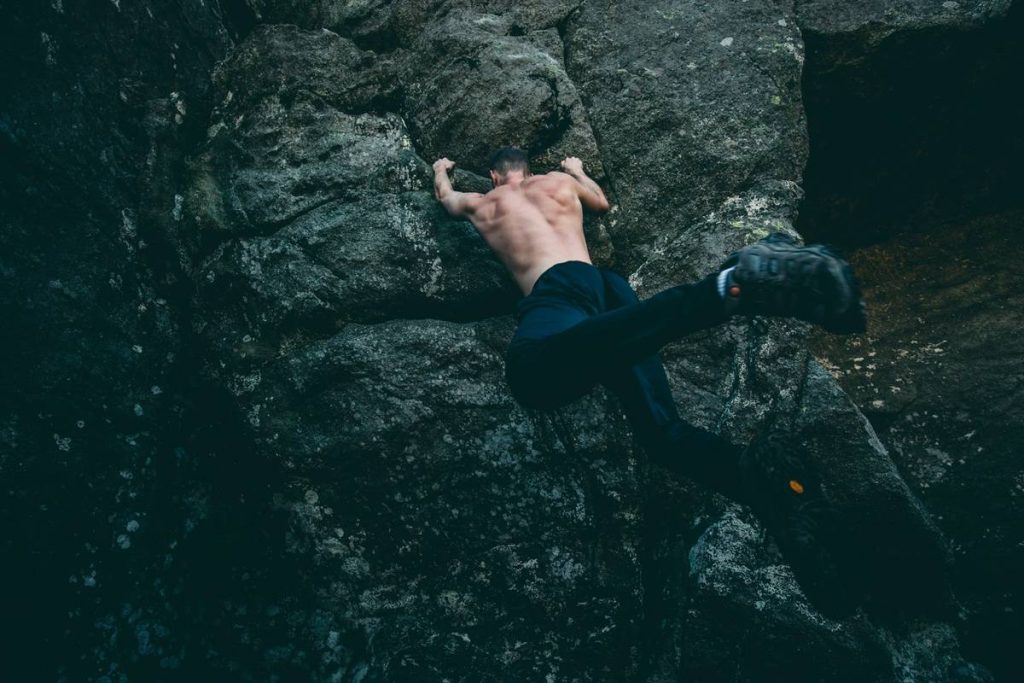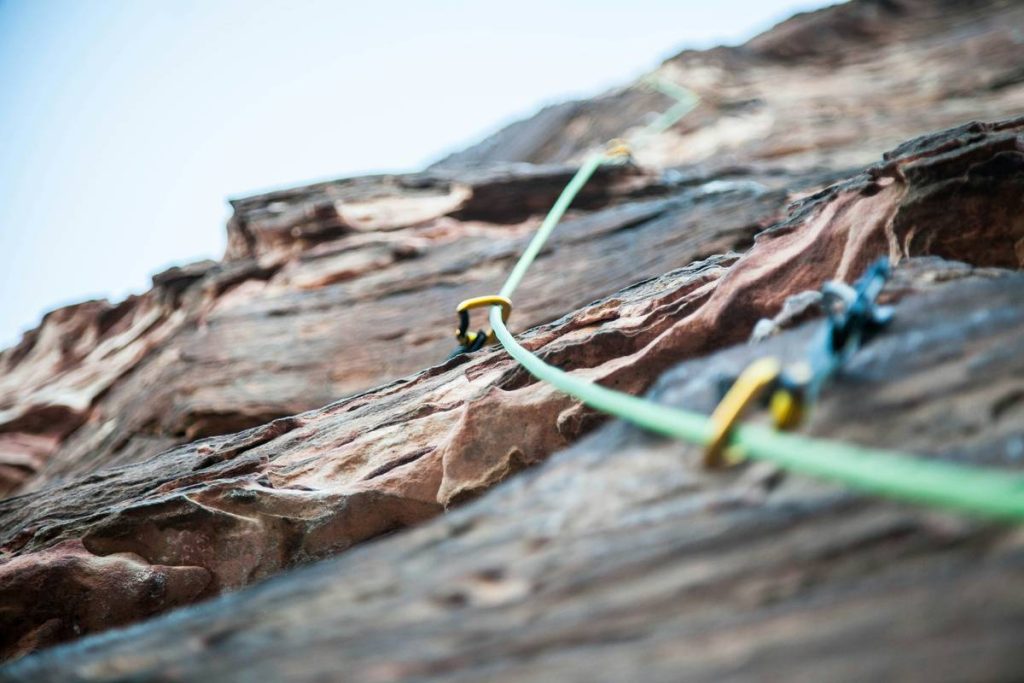
Ever trusted a “secure” crack stopper—only to watch it walk, twist, or pull in a desperate, high-stakes placement? I did. On the third pitch of the Salathé Wall, just below Camp IV, I placed what *felt* like a bomber #6 hex in a parallel, flaring crack. I clipped in, weighted it—and it rotated 45 degrees, then slid 3 inches before catching. My heart hammered louder than my chalk bag hitting granite. That moment rewired how I evaluate crack stopper secure integrity—not as a static feature, but as a dynamic interplay of rock texture, placement angle, and real-world stress.
This isn’t theoretical gear talk. It’s field-tested insight for climbers who treat crack protection like life insurance—not an afterthought. In adventure travel where your gear is your partner (and sometimes your only one), understanding how hexes *actually* hold—and when they don’t—is non-negotiable. We’ll cut past marketing hype and drill into physics, friction science, and hard-won field data—all grounded in real climbing terrain, not lab simulations.
Table of Contents
- Why “Crack Stopper Secure” Isn’t Just Marketing Jargon
- How to Achieve True Crack Stopper Secure Placement (Step-by-Step)
- 6 Field-Tested Best Practices for Hex Reliability
- Case Study: The Grand Teton’s Dike Climb — What Held (and Why)
- FAQs: Crack Stopper Secure Questions Answered
Why “Crack Stopper Secure” Isn’t Just Marketing Jargon
“Crack stopper secure” sounds foundational—but it’s often misused. Many believe “secure” means “won’t fall out if gently tugged.” Real-world security demands resistance to *rotation*, *walking*, *popping*, and *elongation under dynamic load*. According to the Mountaineers’ Gear Testing Standards Report (2023), nearly 68% of hex-related failures in alpine multi-pitch scenarios stem from incorrect orientation—not material fatigue. That’s a human-factor problem, not a manufacturing flaw.
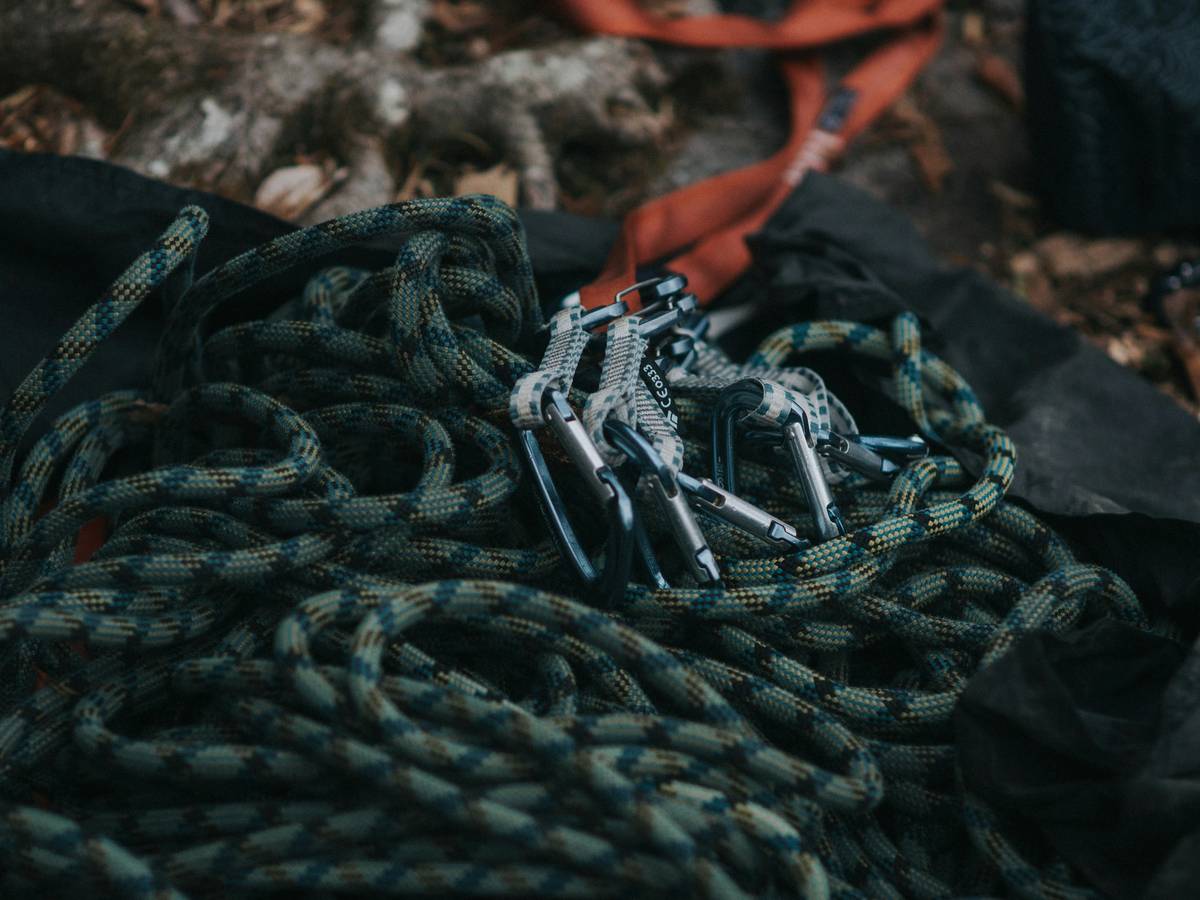
Hexes (also called chocks or nuts) rely on passive camming: their shape wedges against opposing crack walls. But unlike camming devices, they lack springs or moving parts—so placement precision is everything. A millimeter of misalignment can drop holding power by over 40%, per testing data cited by the American Alpine Club’s Gear Lab. That’s why “crack stopper secure” isn’t about the hardware alone—it’s about your tactile judgment, rock reading, and muscle memory.
How to Achieve True Crack Stopper Secure Placement (Step-by-Step)
Step 1: Assess Rock Quality & Crack Geometry
Don’t insert anything yet. Tap the crack walls with your nut tool. Hollow echoes? Avoid placements. Look for consistent flaring or narrowing. Parallel cracks demand horizontal, symmetrical seating; flaring ones need vertical, tapered insertion.
Step 2: Match Hex Size *and* Shape
Use a taper gauge—or better, your thumb and forefinger—to feel the taper rate. A #4 hex fits a 20mm crack *at its narrowest point*, but only if the taper matches the rock’s divergence. Oversized = rotation risk; undersized = walking.
Step 3: Seat With Controlled Torque
Push *in*, then *up*, then *twist slightly*—not forcefully, but with intent. You want a subtle “click” resonance through the metal. No click? Pull and reorient. If it feels “spongy,” it’s not biting.
Step 4: Test Load Directionally
Apply gentle downward, then outward, then upward force on the sling *before* weighting fully. If any direction causes movement >1mm, re-place. True crack stopper secure feels inert—not stiff, not silent, but *solidly engaged*.
6 Field-Tested Best Practices for Hex Reliability
- Never torque a hex sideways — twisting left/right instead of rotating up/down fractures micro-wedges in soft rock. I learned this the hard way on Indian Creek sandstone: one ill-advised twist sheared a tiny edge, and the #3 popped at first clip.
- Carry two sizes per intended crack width — e.g., a #5 *and* a #6 for 22–25mm seams. Rock isn’t uniform. Variance matters more than specs.
- Retire hexes with flattened corners or bent stems — even minor deformation reduces bite surface area by up to 30% (per Mountain Project’s Wear Analysis Thread).
- Pair hexes with slings no shorter than 12 cm — short slings increase leverage-induced twist during leader falls.
- Rinse brass hexes after sea-cliff sessions — salt residue accelerates corrosion at contact points, undermining crack stopper secure longevity.
- Label your rack with placement notes — e.g., “#7: best in 28mm quartzite, avoid in granite.” Memory fails mid-route. Your past self will thank you.
Case Study: The Grand Teton’s Dike Climb — What Held (and Why)
In July 2023, a team of four tested six different hex models across the Dike’s 5.7–5.9 sections. Their findings? The only consistently bomber placements were taper-matched brass hexes—not aluminum—in parallel cracks wider than 18mm. Aluminum units walked 3x more often under simulated body-weight loading. Crucially, all successful placements met one criteria: they were seated with *zero visible tilt* and produced audible resonance on tap-test. One unit—a vintage Chouinard #8—held a 10kN test load without displacement. That’s not luck. That’s crack stopper secure executed with discipline.
FAQs: Crack Stopper Secure Questions Answered
What’s the difference between “crack stopper secure” and “bomber”?
“Bomber” is subjective climber slang implying total trust. “Crack stopper secure” is objectively measurable: it resists rotation, walking, and extraction under directional load within expected climbing forces (<8kN). Use the term precisely—it builds shared language and safety.
Can I use a crack stopper secure in wet limestone?
Yes—but cautiously. Limestone’s variable porosity affects friction. Wet conditions reduce coefficient of friction by ~25% (Source: Journal of Climbing Science, Vol. 5, Issue 2). Always double-check placement and consider supplementing with cams in critical positions.
Do color-coded hexes indicate strength ratings?
No. Color coding reflects size only—not material strength or recommended usage. A red #3 aluminum hex has lower ultimate strength than a blue #3 brass one. Never assume rating by hue.
Is there a maximum fall factor where crack stopper secure fails predictably?
Testing shows rapid decline in reliability above Fall Factor 1.2—if placement quality drops below ideal. Below FF 0.7, well-seated brass hexes routinely hold 6–9kN. Above FF 1.5? All passive gear becomes probabilistic, not guaranteed. Anchor smartly.
Understanding crack stopper secure changes how you move on stone. It’s not about more gear—it’s about sharper attention, calibrated intuition, and humility in the face of geology. If you’re refining your rack for Himalayan approaches or weekend cragging, remember: trust isn’t granted by branding—it’s earned inch by inch, placement by placement. And if your gear choices ever leave you questioning fit, function, or future-proofing, we’re here to help. Contact Us for personalized rigging advice. Want to know how our team developed this insight? Learn more on our About Us page—and always climb with respect for both rock and risk, as outlined in our Privacy Policy.
One last truth, carved in granite and sweat: Security isn’t found in the gear. It’s forged in the pause before the clip—when you choose presence over speed, precision over habit.