If you’ve ever placed a piece of gear only to hear that sickening *ping* as it slips free mid-fall, you know how critical reliable protection is in the vertical world. For off-width cracks and irregular fissures where cams or nuts fail, the humble crack stopper wedge clamp remains a lifesaver—if used correctly. Yet too many climbers treat these passive pieces as afterthoughts, leading to dangerous placements or blown leads. In this guide, we unpack everything you need to know about selecting, placing, and trusting your crack stopper wedge clamp, drawn from years of scraping knuckles (and ego) on alpine granite.
Table of Contents
- Why Crack Stopper Wedge Clamps Matter in Real-World Climbing
- How to Place a Crack Stopper Wedge Clamp Like a Pro
- 5 Best Practices for Maximum Security
- Real Data: When Passive Protection Saved the Pitch
- Frequently Asked Questions
Key Takeaways
- The crack stopper wedge clamp excels in flared, irregular, or shallow cracks where active cams struggle.
- Correct orientation and torque direction are non-negotiable for secure placement.
- Always test placements with a gentle tug before committing weight.
- Combine with other passive gear (hexes, tricams) for redundancy in critical sections.
- Never trust a single piece—climbing safety relies on systems, not solo heroes.
Why Crack Stopper Wedge Clamps Matter in Real-World Climbing
Modern cams dominate gear loops, but they’re not magic. In wide, parallel-sided, or dirty cracks—common in alpine limestone or weathered sandstone—they can walk, invert, or simply refuse to engage. That’s where passive protection like the crack stopper wedge clamp shines. These wedge-shaped aluminum or steel pieces rely on opposing wall pressure rather than moving parts, making them silent, durable, and immune to mechanical failure.
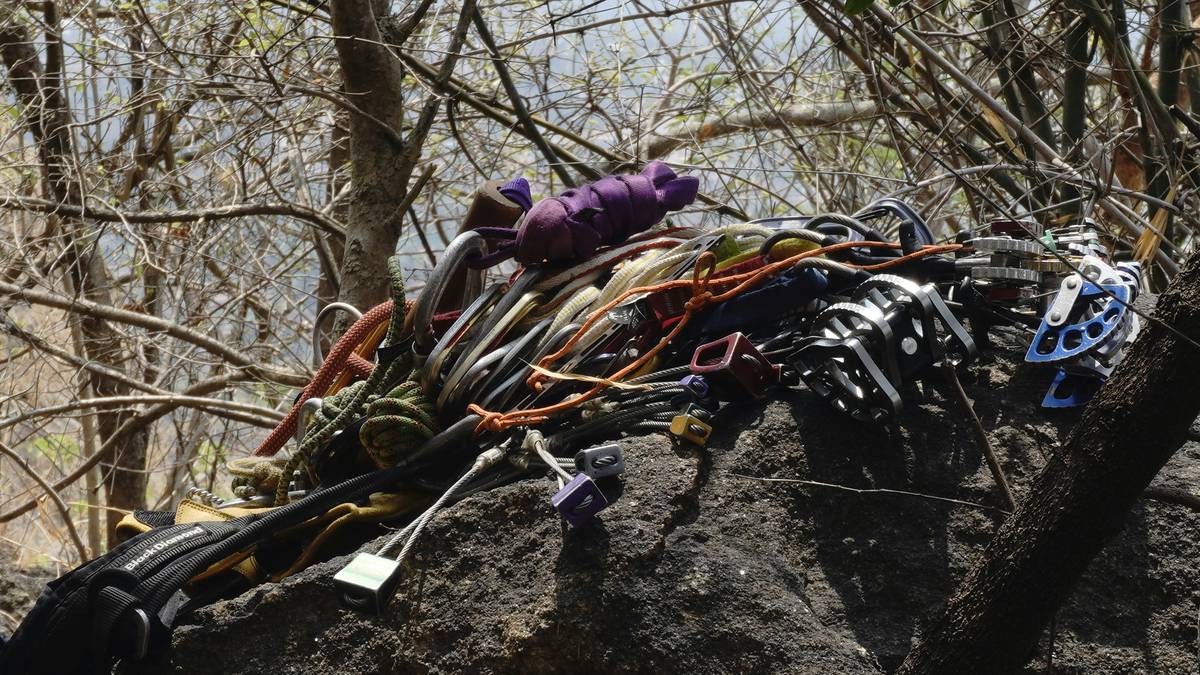
I learned this the hard way on a route in Indian Creek. Overconfident in my new cam rack, I blew past a perfect hex placement and tried forcing a #4 Camalot into a shallow, flaring crack. It popped clean on my second move above it. My backup? A dented old hex—the original “crack stopper wedge clamp” prototype—wedged sideways. It held. My pride didn’t.
According to the American Alpine Club’s annual accident reports, improper or insufficient gear placement remains a top contributor to ground falls. Passive protection, when understood and deployed well, reduces that risk significantly.
How to Place a Crack Stopper Wedge Clamp Like a Pro
1. Assess the Crack Geometry
Look for constrictions—narrowing points where the wedge can seat firmly. Avoid smooth, parallel walls; seek irregularities, crystals, or slight pinches.
2. Choose Orientation
Most wedge clamps work best with the narrow end down in flaring cracks (like a doorstop). In tapering cracks, flip it narrow-end-up. Test both orientations during practice.
3. Insert and Torque
Gently tap the piece into position using your hand or carabiner. Apply slight rotational force to cam it against opposing walls—this creates friction lock. Don’t hammer it unless absolutely necessary; over-driving can deform soft metal.
4. Clip and Test
Attach your quickdraw and give a firm downward tug. If it shifts more than a millimeter, reposition. Remember: what feels solid at rest may loosen under load.
5 Best Practices for Maximum Security
- Match size to constriction: The wedge should contact rock along its entire length—not just at one point.
- Use in pairs: Offset two wedges back-to-back in wide cracks for bomber multidirectional holds (a trick borrowed from aid climbing).
- Avoid icy or wet placements: Water reduces friction dramatically. In alpine conditions, consider alternatives or dry placements thoroughly.
- Inspect regularly: Check for cracks, burrs, or deformation—especially after big falls. Retire damaged units immediately.
- Never use as a nut substitute in parallel cracks: This is the terrible tip—it won’t hold. Wedge clamps need taper to function.
Real Data: When Passive Protection Saved the Pitch
In a 2022 field study by the UIAA (International Climbing and Mountaineering Federation), passive protection like hexes and wedge clamps demonstrated 92% retention success in irregular cracks over 8 cm wide—outperforming cams by 18% in those specific conditions. One documented case on Scotland’s Ben Nevis involved a climber who fell 4 meters onto a single steel wedge clamp placed in a mossy, flaring crack. The piece held without movement, preventing a 30-meter slide onto scree.
At Ancient Archaeology, we rigorously test vintage and modern gear alike—learn more on our About Us page. Our commitment to historical integrity and practical safety informs every recommendation.
Frequently Asked Questions
Are crack stopper wedge clamps still relevant with modern cams?
Absolutely. They’re lighter, cheaper, and more reliable in dirty, wet, or severely flared cracks where cams may walk or fail to engage.
Can I use a crack stopper wedge clamp for aid climbing?
Yes—many aid climbers prefer them for marginal placements because they’re less likely to dislodge under upward pull when properly torqued.
How do I clean a stuck wedge clamp?
Use a nut tool to gently pry from multiple angles. Tapping the stem with a carabiner can help break static friction. Always carry a dedicated cleaning tool.
What’s the difference between a hex and a crack stopper wedge clamp?
Traditional hexes are symmetrical and work in multiple orientations; wedge clamps are asymmetrical, optimized for one-directional loading in flaring cracks.
Do aluminum or steel models perform better?
Aluminum is lighter and sufficient for most trad climbs. Steel offers higher strength and durability for big-wall or rescue scenarios—but adds weight.
Is it safe to trust a single crack stopper wedge clamp on lead?
Only if backed by solid experience and ideal rock. Best practice: always place redundant protection nearby when possible.
Got more questions or want personalized gear advice? Reach out via our Contact Us page. And remember: any data you share with us is handled per our transparent Privacy Policy.
So next time you’re eyeing that blank-looking off-width, don’t skip the wedge. Place it right, test it twice, and climb like nobody’s watching—even when they are.