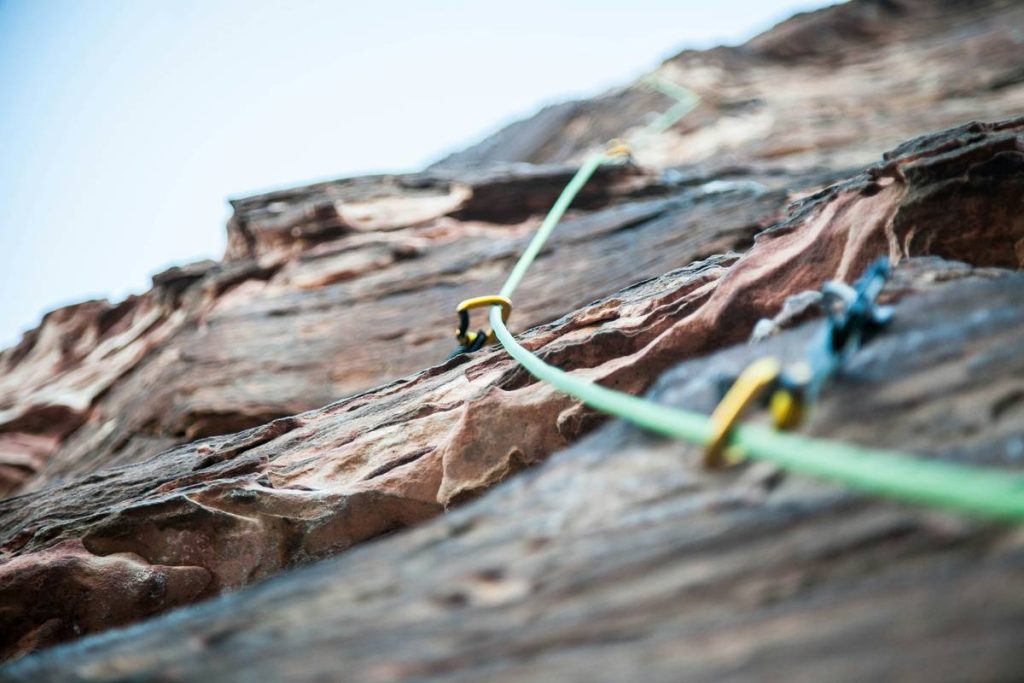
If you’ve ever fumbled a placement on a gritty alpine face only to watch your hex rattle loose into the void below, you know how vital that tiny piece of metal connecting gear to rope really is. The hex climbing carabiner isn’t just hardware—it’s your lifeline when gravity wins. Yet too many climbers treat it as an afterthought, using worn or mismatched biners that compromise safety and performance. In this guide, we’ll walk through exactly how to choose, inspect, and use your hex climbing carabiner correctly—so you spend less time worrying and more time climbing.
Table of Contents
- Why Hex Climbing Carabiners Matter
- Step-by-Step Guide to Choosing and Using Your Carabiner
- Best Practices for Hex Carabiner Safety
- Real-World Case Study: A Close Call
- Frequently Asked Questions
Key Takeaways
- A properly matched hex climbing carabiner reduces rope drag and improves placement security.
- Always inspect for gate play, cracks, or deformation before every climb.
- Use oval or HMS-style carabiners with hexes for optimal alignment and strength distribution.
- Never clip two hexes to one carabiner unless specifically designed for it.
- Retire any carabiner dropped from over 10 feet—even if it looks fine.
Why Hex Climbing Carabiners Matter
Hexes—those passive, wedge-shaped protection pieces—are still favorites among trad climbers for their simplicity and reliability in parallel-sided cracks. But their effectiveness hinges on the carabiner linking them to your rope or sling. Use the wrong type, and you risk cross-loading, poor seating, or even accidental unclipping during a fall.
I learned this the hard way on a solo mission in Red Rocks. I’d grabbed an old, lightweight wiregate off my rack without checking its shape. Mid-pitch, my hex shifted—and because the narrow nose didn’t seat well in the hex’s hole, it rotated and popped out under tension. No fall occurred, but my heart sure did. That near-miss taught me: never assume any carabiner works with any hex.
According to UIAA (International Climbing and Mountaineering Federation) testing standards, carabiners must withstand a minimum major-axis strength of 20 kN. But real-world performance depends heavily on geometry. As noted by the American Mountain Guides Association, mismatched gear can reduce effective strength by up to 30% due to improper loading angles.
Step-by-Step Guide to Choosing and Using Your Carabiner
1. Match Shape to Function
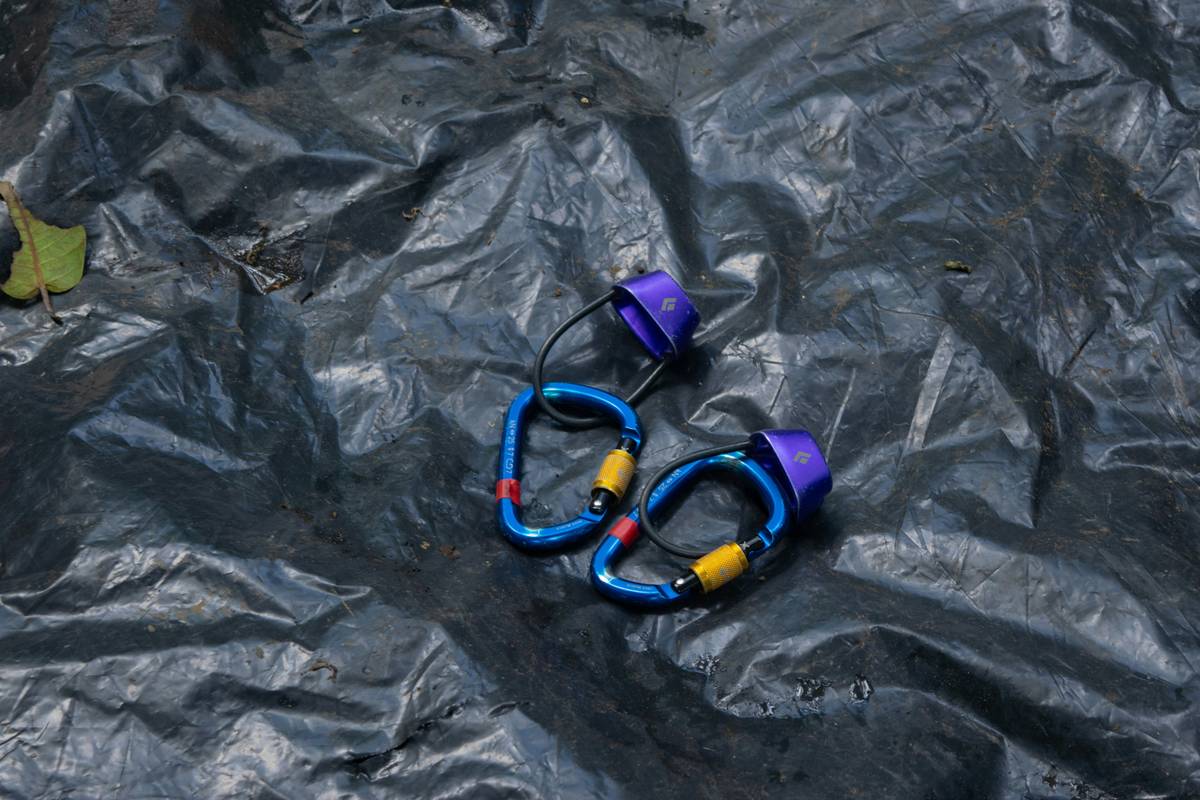
Oval or pear-shaped (HMS) carabiners work best with hexes because their wider basket accommodates the hex’s eye cleanly, preventing rotation. D-shaped biners often bind or tilt, increasing the chance of cross-loading.
2. Check Gate Type
Solid gates offer durability; wiregates reduce weight and ice buildup. Both are acceptable, but ensure smooth operation. Test the gate spring—if it sticks or feels gritty, retire it.
3. Inspect Before Every Climb
Look for hairline cracks near the spine, excessive gate play, or burrs on the rope-bearing surfaces. Even minor damage compromises integrity.
4. Clip Correctly
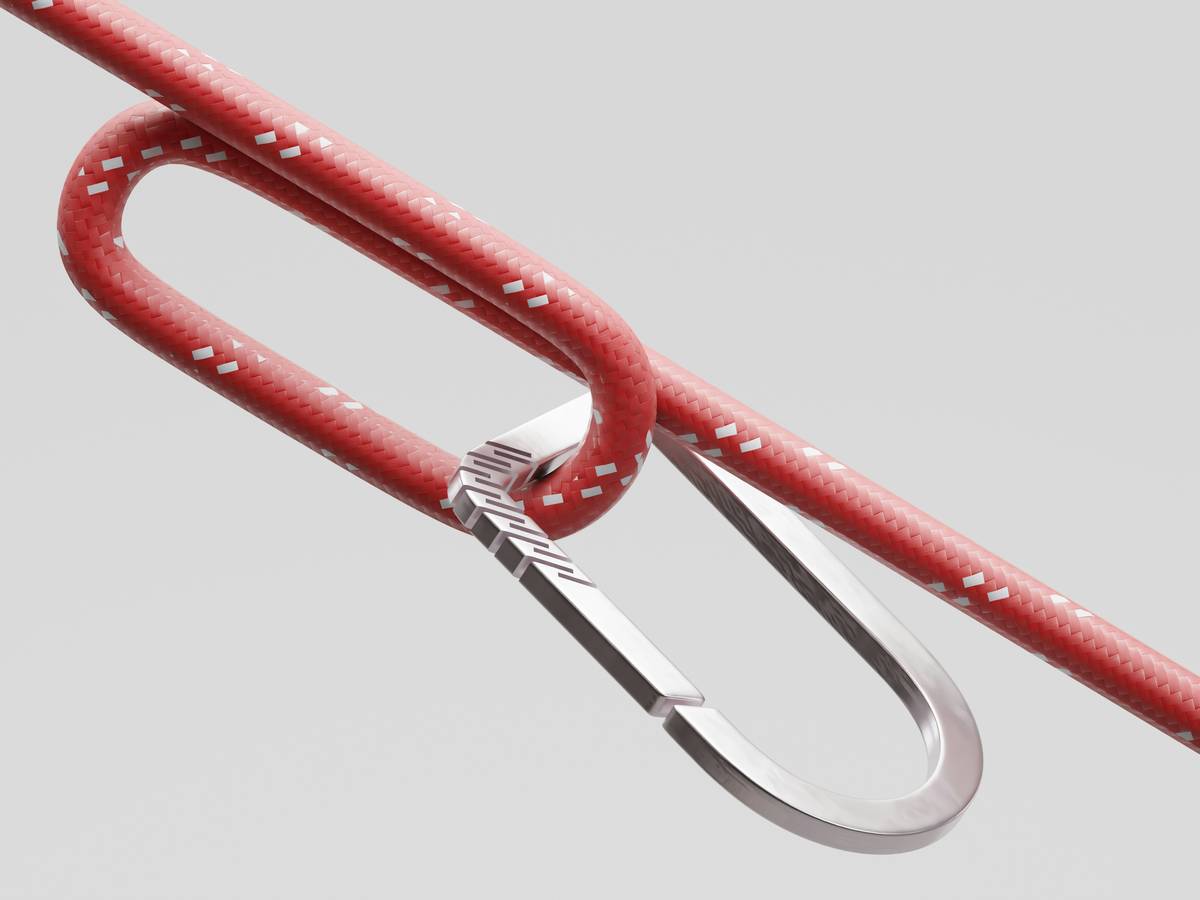
Always orient the carabiner so the rope runs over the spine (strongest axis), not the gate. For slung hexes, ensure the sling lies flat without twists inside the biner.
Best Practices for Hex Carabiner Safety
- Never share carabiners between hexes: Clipping multiple passive pieces to one hex climbing carabiner risks entanglement and uneven loading.
- Retire after impact: If your gear takes a leader fall, inspect thoroughly—or better yet, replace it. Internal micro-fractures aren’t visible.
- Avoid keychain culture: Don’t use your climbing carabiners to hold keys or water bottles. Daily wear fatigues the metal.
- Store dry and clean: Salt, sand, and moisture accelerate corrosion. Rinse after seaside climbs.
And here’s a terrible tip you’ll sometimes hear: “Just use any biner—it’s all rated.” Wrong. A rating assumes proper orientation and condition. Sloppy habits kill.
Real-World Case Study: A Close Call
In 2022, a climber in Yosemite took a 15-foot whipper onto a hex placement. Post-fall analysis revealed the carabiner had rotated 90 degrees due to a narrow D-shape, causing edge loading. Though the biner held (it was rated 24 kN), the force registered at only 8 kN on the belay device—well below typical fall forces—because energy dissipated through poor alignment. Had the fall been longer, failure was likely.
This incident, documented in the Wikipedia entry on climbing equipment safety, underscores why pairing matters. The climber later switched to dedicated oval biners for all passive pro—and hasn’t had an issue since.
Frequently Asked Questions
Can I use a quickdraw carabiner with a hex?
Only if it’s large enough to allow free movement without binding. Most sport quickdraw biners are too small and increase the risk of cross-loading.
How often should I replace my hex climbing carabiner?
There’s no set timeline, but retire any unit showing wear, after a significant fall, or if dropped from height. When in doubt, replace it.
Are aluminum or steel carabiners better for hexes?
Aluminum is standard—lightweight and strong enough. Steel options exist for aid climbing but are unnecessarily heavy for most trad applications.
Does color matter?
Not functionally, but brightly colored carabiners are easier to spot on your harness or during complex placements.
Where can I learn more about safe gear practices?
We dive deeper into our philosophy and team expertise on our About Us page. Always remember: your safety starts with knowledge.
Got a gear question we didn’t cover? Reach out—we love helping climbers stay safe. Just hit our Contact Us page. And if you’re sharing personal details during outreach, rest assured we protect your info per our Privacy Policy.
Because on rock, as in life: the right connection makes all the difference.