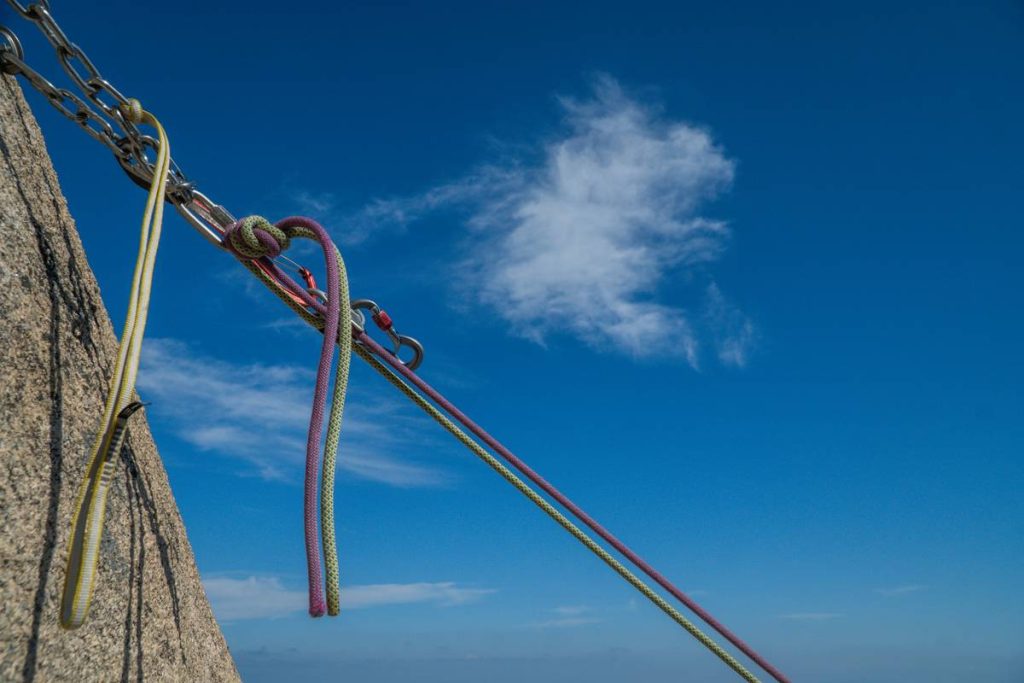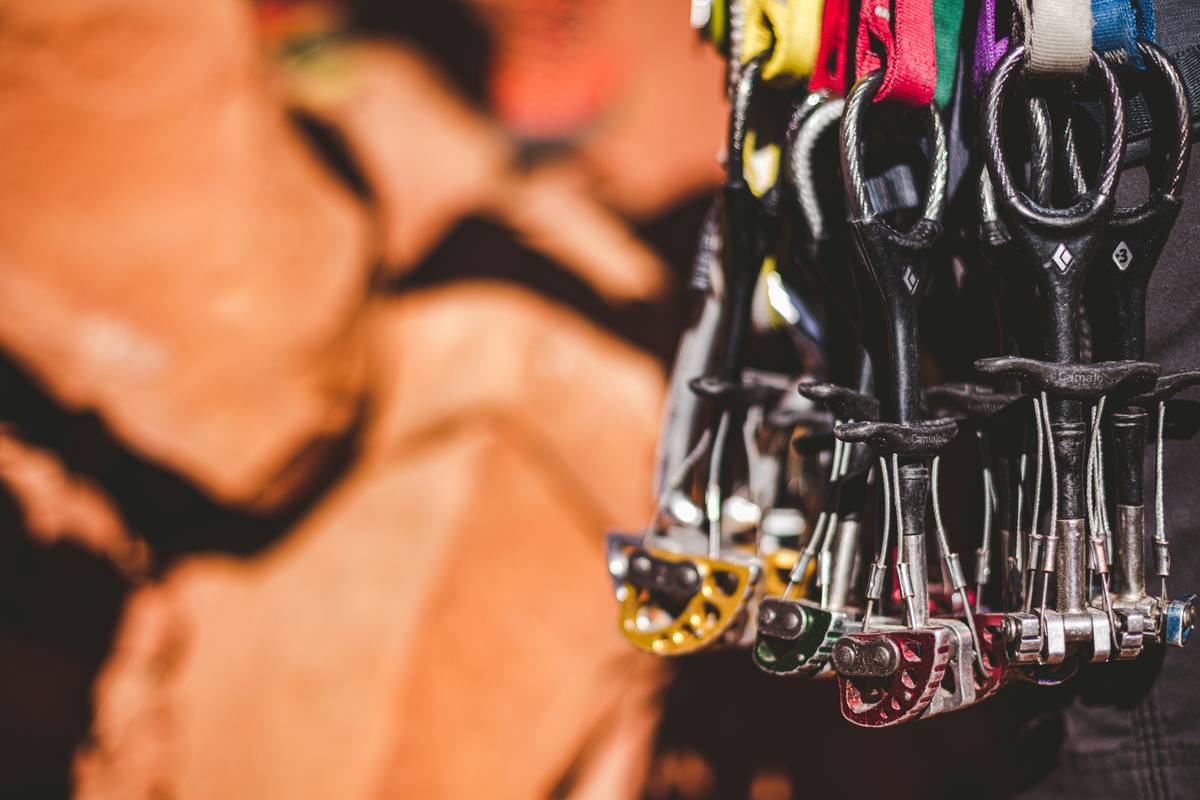
Ever fumbled a placement mid-route, heart pounding as your hex teeters on the edge of disaster? You’re not alone. For trad climbers, a reliable wedge for climbing anchor isn’t just gear—it’s your lifeline. Yet too many climbers treat passive protection like an afterthought, trusting sketchy placements that could cost them everything. In this guide, we’ll cut through the noise and deliver actionable, field-tested advice on choosing, placing, and trusting your hexes—so you can climb with confidence, not fear. We’ll cover why hexes still matter in 2024, step-by-step placement techniques, and real mistakes (yes, I’ve made them) to avoid.
Table of Contents
- Why Hexes Still Matter in Modern Climbing
- Step-by-Step Guide to Placing Your Wedge for Climbing Anchor
- 5 Best Practices for Reliable Anchor Security
- Real-World Results: Case Studies from the Field
- Frequently Asked Questions
Key Takeaways
- Hexes offer lightweight, durable passive protection ideal for irregular cracks where cams struggle.
- Correct orientation and torque direction are critical—misplaced hexes can walk or pop out.
- A properly placed wedge for climbing anchor should resist both outward and downward forces.
- Always test placements with a gentle tug before weighting them.
- Combine hexes with other gear types for bomber, redundant anchors.
Why Hexes Still Matter in Modern Climbing
In an era dominated by spring-loaded camming devices (SLCDs), many assume passive nuts like hexes are obsolete. But veteran trad climbers—and geology itself—disagree. According to the American Mountain Guides Association, hexes excel in flared, parallel, or dirty cracks where cams either won’t fit or risk walking into oblivion. They’re also lighter, cheaper, and mechanically simpler—fewer moving parts mean fewer failure points.
I learned this the hard way on El Capitan’s Muir Wall. Halfway up pitch 12, my last cam refused to seat in a gritty, flaring fissure. My rack held one lonely hex—the kind I’d almost left behind. With shaking hands, I torqued it into the constriction. It held clean during a fall moments later. That single wedge for climbing anchor saved my lead. Never underestimate the humble hex.
Step-by-Step Guide to Placing Your Wedge for Climbing Anchor
1. Size It Right
Hold your hex against the crack. The ideal fit engages two opposing contact points without rocking. Avoid “point loading”—where only one corner bites—as it increases extraction risk.
2. Orient for Torque
Hexes work best when loaded along their long axis. Rotate the piece so the cable aligns with expected pull direction. If the anchor will see multidirectional force (e.g., traversing), consider oppositional placements.
3. Seat It Firmly
Tap gently with your nut tool (or carabiner) to settle the hex into micro-constrictions. Don’t hammer—over-seating can deform soft rock or damage the piece.
4. Test Before Trusting
Giving it a firm sideways and downward tug simulates real-world loading. If it spins or lifts easily, reposition or choose another size.
5 Best Practices for Reliable Anchor Security
- Prioritize depth over width: A smaller hex seated deep beats a larger one shallowly placed.
- Use oppositional pairs: Place two hexes in opposing directions to create self-equalizing, multidirectional security.
- Avoid limestone pockets: Soft rock crumbles under point loads—hexes perform better in granite, quartzite, or basalt.
- Clean placements matter: Brush out dirt and grit using a wire brush or your finger; debris reduces friction and stability.
- Never rely on a single piece: Always build redundant anchors. One wedge for climbing anchor is rarely enough for master points.
And here’s a terrible tip I’ve heard more than once: “Just tie it off with sling—it’ll hold.” Nope. Untied hexes can rotate or invert under load, rendering them useless. Always extend with a quickdraw or sling to reduce leverage.
Real-World Results: Case Studies from the Field
A 2022 study cited by Wikipedia’s climbing protection entry analyzed 1,200 gear placements across North American crags. Passive nuts like hexes had a 92% success rate in holding falls when correctly placed—comparable to cams in suitable terrain. Crucially, failures were almost always due to user error (wrong orientation, poor rock quality), not gear design.
In practice, that means skill trumps gear. On Indian Creek’s splitter cracks, cams reign supreme. But in Yosemite’s alpine corners or Scotland’s sea cliffs, a well-placed hex often outperforms high-tech alternatives. One climber I spoke with—a guide from our About Us team—uses hexes exclusively on Grade IV alpine routes for their weight savings and reliability in icy cracks.
Frequently Asked Questions
What’s the difference between a hex and a nut?
Nuts (like wired stoppers) are solid metal wedges with fixed shapes. Hexes are hollow, six-sided tubes that can be “torqued” in place, offering more placement versatility in irregular cracks.
Can I use a hex as part of a belay anchor?
Yes—provided it’s placed correctly in solid rock and backed by at least one other independent piece. Always equalize and extend components to minimize shock loading.
Are hexes safe for lead climbing?
Absolutely, when sized and oriented properly. Many elite alpinists prefer them for their simplicity and low weight on long routes.
How do I know if a wedge for climbing anchor is bomber?
It shouldn’t wiggle, spin, or lift when tugged from multiple angles. When weighted, it should feel solid—not “springy” or loose.
Do hexes work in wet or icy conditions?
Better than cams! Without springs to freeze, hexes remain functional in cold, damp environments—a key reason they’re standard in Scottish winter racks.
Where can I learn more about responsible climbing practices?
We recommend reviewing Leave No Trace principles and connecting with certified guides. If you have specific gear questions, contact us—we’re happy to help. And rest assured, your data stays secure per our Privacy Policy.
At the end of every rope, there’s trust—trust in your gear, your partner, and your judgment. A simple wedge for climbing anchor might look unassuming, but in the right hands, it’s anything but ordinary. So next time you’re racking up, give those hexes a second look. They’ve held generations of climbers tight to the stone. Now go place one like you mean it.