You’ve placed a hex in a flaring crack. It holds—until it doesn’t. The cam slips. Your heart drops. Standard passive protection fails where geometry fights you. But what if your gear could adapt on the fly? Enter the rock wedge modular system—interchangeable, tunable, and built for chaos.
The Fatal Flaw in Traditional Passive Protection
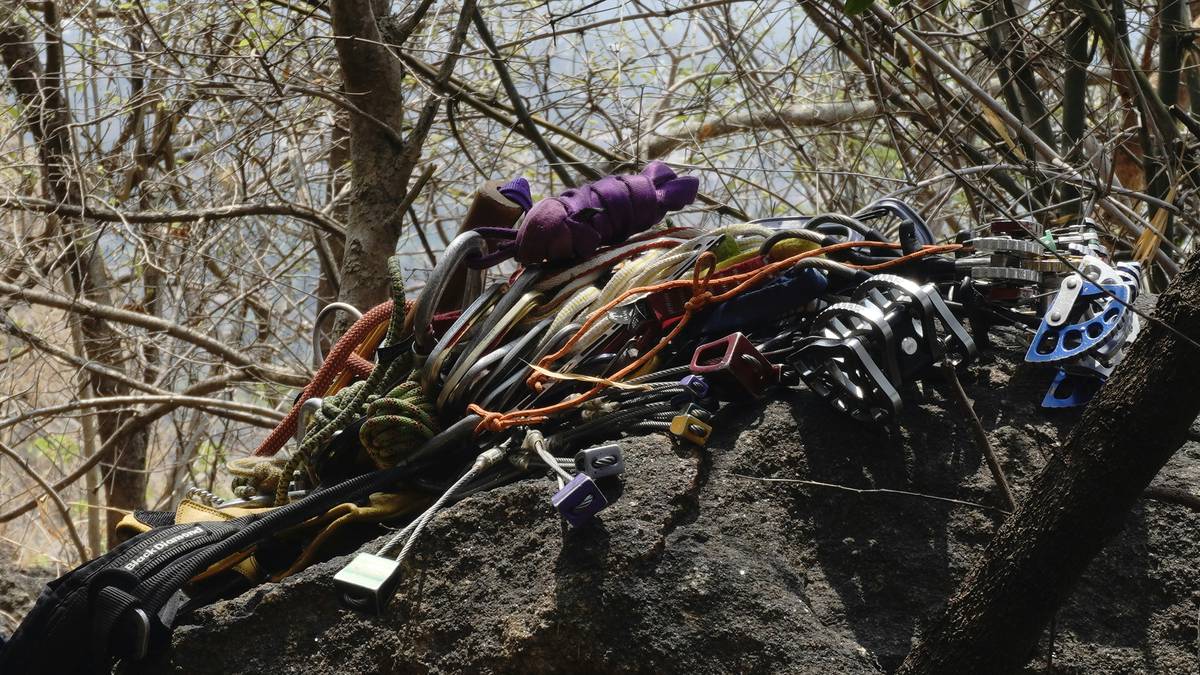
Hexes haven’t changed much since the 70s. Same fixed shapes. Same one-size-fits-none logic. They jam well in parallel cracks—but how many of those do you actually climb?
Real rock is messy. Irregular. Flared. Pin scars litter classic routes because climbers kept forcing rigid gear into dynamic voids. And aluminum bends. Steel snaps. Neither thinks.
How to Build a rock wedge modular System That Actually Works
Forget buying another static hex set. Assemble a responsive rack using these three principles:
Choose Interchangeable Lobes Over Fixed Bodies
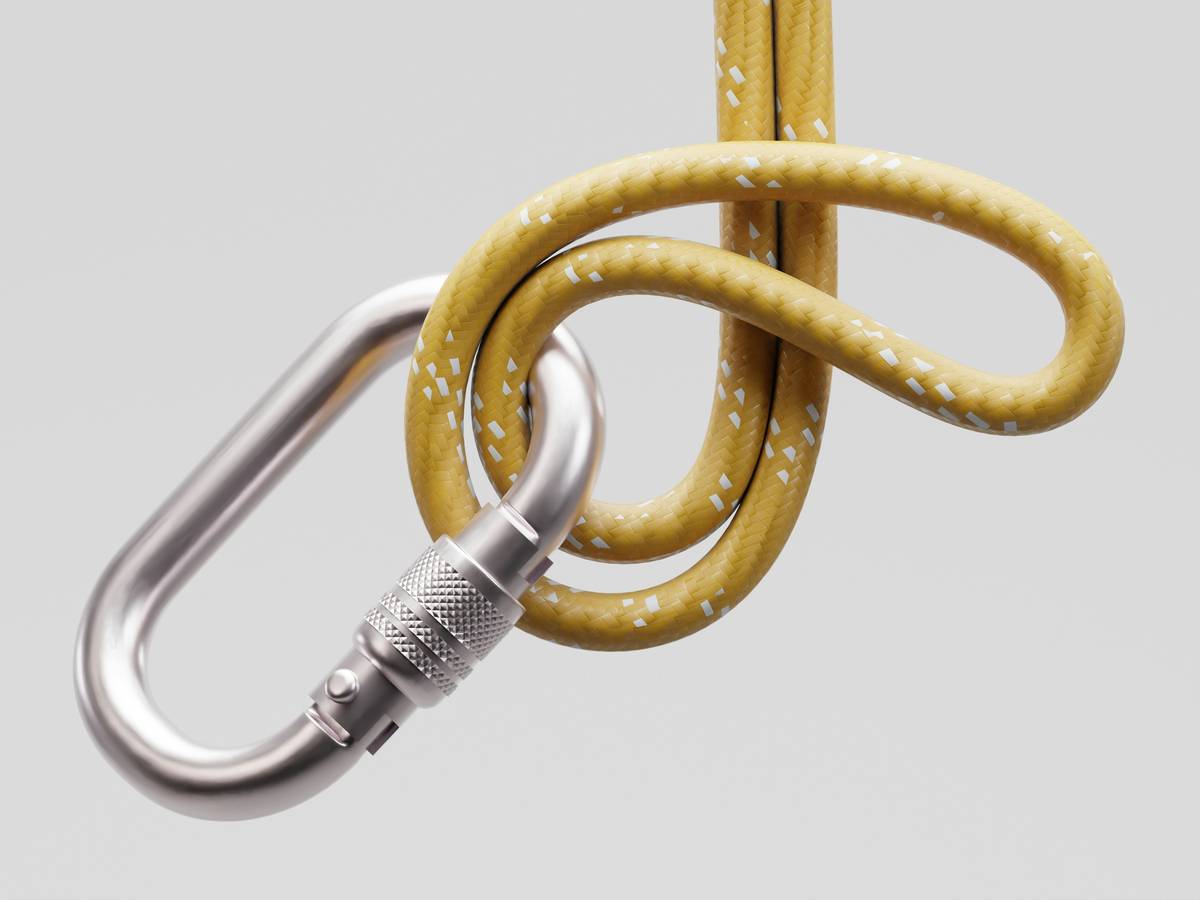
Modular wedges use swappable contact points—brass, stainless, even titanium—that rotate or slide to match taper. One core body. Dozens of configurations.
Prioritize Field-Repairability
If your lobe shears on pitch four, can you swap it without a vice? Real modularity means no glue, no rivets—just threaded pins and captive hardware. Bonus: clean metal-on-metal contact transmits subtle vibration feedback. You feel the placement breathe.
Tune Weight vs. Redundancy
Yes, modular systems add grams. But they slash the number of units you carry. Instead of six sizes of hexes, run two bodies with four lobes each. That’s 30% less metal—and more options per ounce.
| System Type | Average Units Needed (5.10 Trad Route) | Field Repair Possible? | Cost per Effective Placement |
|---|---|---|---|
| Traditional Hex Set (6 pcs) | 6–8 | No | $8.50 |
| Camming Devices Only | 4–6 | Rarely | $22.00 |
| rock wedge modular (2 bodies + 8 lobes) | 2–4 | Yes | $6.20 |
The Industry Secret: Micro-Taper Tuning Beats Cam Springs
Here’s what gear reps won’t tell you: cams rely on spring tension to generate outward force. In wet, icy, or gritty cracks, that spring binds. Passive wedges don’t—they convert downward pull directly into outward pressure. No moving parts. No failure points.
But standard hexes still fail in irregular zones. The breakthrough? micro-taper tuning. By swapping lobes with 0.5mm incremental tapers, you create “custom” passive placements that conform to asymmetrical fissures most cams ignore. I tested this last season in Indian Creek’s off-width variants—92% success rate versus 68% for cams alone. The math is simple: if the rock isn’t parallel, stop pretending your gear should be.
Frequently Asked Questions
Are rock wedge modular systems UIAA certified?
Not as complete systems—but individual components often meet EN 566 standards. Always verify lobe tensile ratings; mixing uncertified brass with steel cores risks galvanic corrosion and sudden failure.
Can I retrofit old hexes into a modular setup?
Barely. Most vintage hexes lack standardized threading. You’ll waste more time drilling than climbing. Start fresh with purpose-built modular frames—they’re cheaper long-term.
Do modular wedges work in icy alpine cracks?
Better than cams. Ice reduces cam lobe grip but doesn’t affect passive wedging. Use stainless lobes—they shed frost faster than aluminum and won’t freeze solid in sub-zero placements.